-

Top 1% of Defence Law Firms
-

Defended over 50,000 Cases
-

5 star google reviews
-

40 Years of Criminal Law Expertise
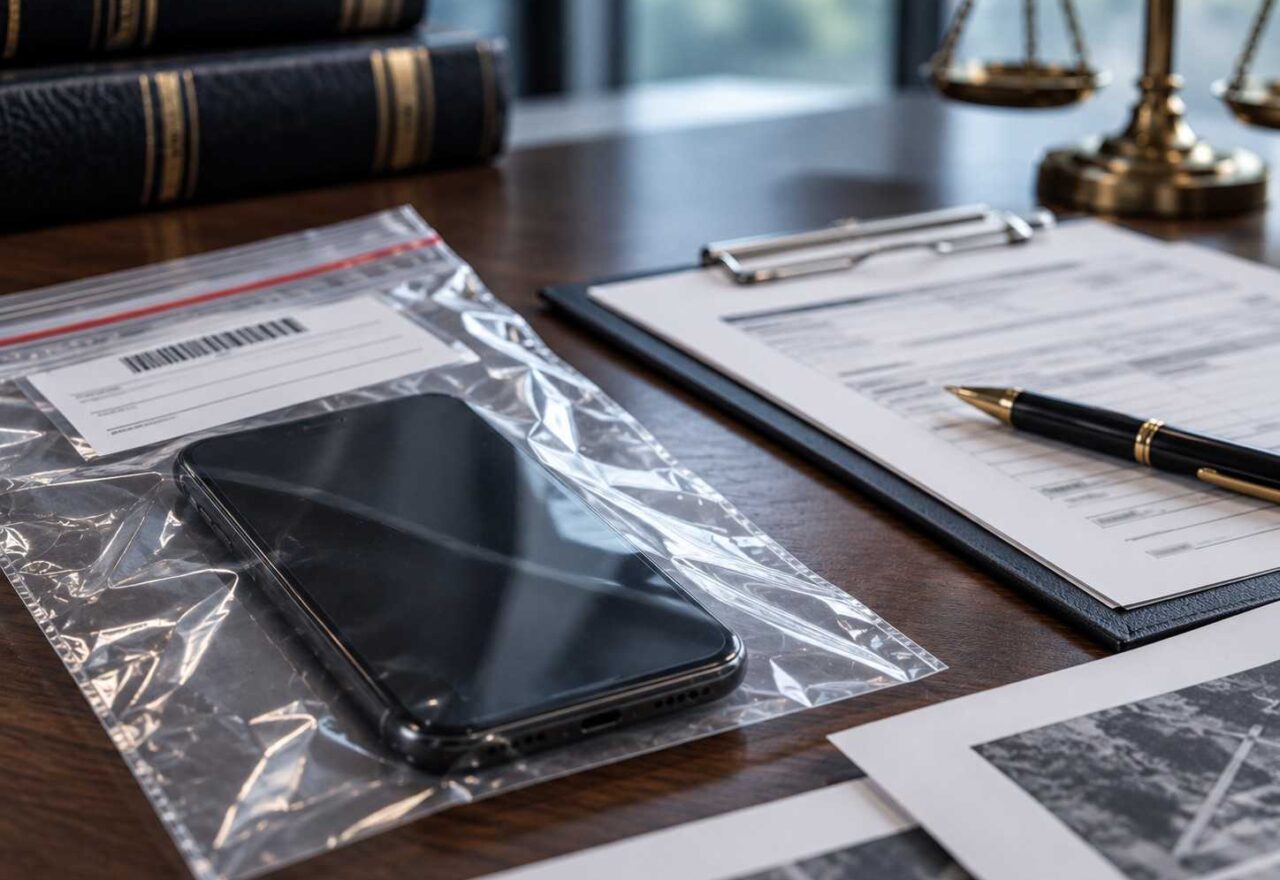
A woman accused of being involved in the supply of Class A drugs was unanimously found not guilty at Chelmsford Crown Court, even though the trial continued without her being present.
The prosecution relied heavily on mobile phone evidence, including cell-site and co-location data, to argue that she was connected to a drugs line.
Stuart Miller Solicitors challenged a key part of that case: did the movement and location of a mobile phone actually prove who was using it?
The defence demonstrated that association with a handset alone was not enough to establish knowledge, control, or participation in Class A drug supply.
Following the trial, the jury returned unanimous not guilty verdicts.
The Allegation
Our client was accused of being concerned in the supply of Class A drugs.
The prosecution alleged that mobile phone evidence connected her to a drugs operation. Their case relied substantially on data showing where a particular handset had been and its proximity to other phones connected with the alleged drugs line.
In simple terms, the prosecution sought to connect the location and movement of the phone to our client.
However, establishing where a phone was located was only part of the issue.
The prosecution also needed to prove who was actually using that phone and whether that person knowingly participated in the alleged drug supply operation.
The Prosecution Relied Heavily on Mobile Phone Evidence
Phone evidence can form an important part of modern drug supply prosecutions.
This may include:
- Cell-site location data
- Call records
- Text messages
- Contact between different mobile numbers
- Co-location between handsets
- Data showing the movement of a device
- Links between phones and alleged drug lines
The prosecution used this type of material to argue that our client was connected to the Class A supply operation. But mobile phone data does not automatically identify the person physically holding or operating a device. That distinction became a central issue in the defence case.

How Stuart Miller Solicitors Challenged the Phone Attribution Case
Our defence focused closely on the prosecution’s attempt to attribute the phone to our client.
A mobile device can potentially be:
- Shared with another person
- Borrowed
- Left with someone else
- Used by several people
- Taken to a location without its registered owner
- Operated by someone other than the person prosecutors believe controls it
For that reason, proving the movement of a handset is not automatically the same as proving the movement of a particular individual.
The defence challenged whether the prosecution had sufficient evidence to bridge that gap.
We also examined whether the evidence genuinely established that our client had knowledge of and participated in the supply of Class A drugs, rather than simply showing an alleged association with a telephone.
Association With a Phone Does Not Automatically Prove Drug Supply
This was one of the most important issues in the case.
Showing that a phone is connected with criminal activity does not, by itself, answer several critical questions:
Who was actually using the phone?
Was our client controlling the handset at the relevant times?
Did she know what the phone was being used for?
Was there evidence that she knowingly participated in the supply operation?
These questions mattered because criminal liability could not simply be assumed from phone location data.
The prosecution still had to prove its case to the required criminal standard.
Trial Continued Without Our Client Being Present
Another unusual feature of the case was that the trial proceeded while our client was absent from court.
A defendant’s absence can create difficulties and may appear damaging.
However, absence does not remove the prosecution’s responsibility to prove every essential part of the allegation.
The defence case continued to focus on the evidence itself.
The jury still had to decide whether the prosecution had actually proved that our client knowingly participated in Class A drug supply.
A spokesperson for Stuart Miller Solicitors explained:
“Failing to attend court can look damaging, but it is not a substitute for evidence. The prosecution still has to prove the allegation, and in this case it could not.”
The Jury Returned Unanimous Not Guilty Verdicts
After considering the prosecution and defence cases, the jury at Chelmsford Crown Court returned unanimous not guilty verdicts.
Our client was therefore cleared of the Class A drug supply allegations.
The result demonstrates why detailed examination of digital and mobile phone evidence can be crucial in drug conspiracy and supply cases.
Data may show where a device travelled or which other devices were nearby.
But the defence can still examine whether prosecutors have proved:
- Who controlled the phone
- Who was using it at a particular time
- Whether the defendant knew about the alleged criminal activity
- Whether the defendant intentionally participated in the operation
- Whether other explanations for the data have been properly excluded
Why Phone Attribution Matters in Class A Drug Supply Cases
Digital evidence is now routinely used in serious drug prosecutions.
However, phone evidence needs to be interpreted carefully.
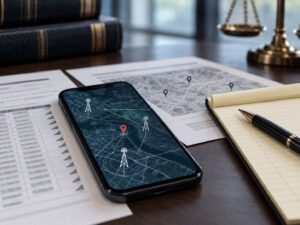
Cell-site data can help establish the approximate location of a mobile device. Co-location analysis may also show that two devices were in similar locations at certain times.
What this type of evidence does not necessarily establish on its own is the identity of the person holding each handset.
That distinction can become especially important when the prosecution case is based largely on digital evidence rather than direct observations of the accused taking part in drug supply.
What Does “Concerned in the Supply of Class A Drugs” Mean?
Being concerned in the supply of Class A drugs is a serious criminal allegation.
Cases may involve substances such as cocaine or heroin and can include allegations that a person assisted, organised, managed, facilitated, or otherwise participated in the supply of drugs.
The prosecution must still establish the defendant’s involvement based on the evidence in the individual case.
Merely knowing another person involved in drug dealing, appearing near another mobile phone, or being associated with a particular handset does not automatically establish participation in drug supply.
Facing Class A Drug Supply Charges?
Class A drug allegations can involve large volumes of digital evidence, including phones, call records, cell-site analysis, messages, financial material, and alleged links between multiple defendants.
A defence team may need to examine not only what that evidence appears to show, but also what it does not prove.
Stuart Miller Solicitors represents clients facing serious drug offences, including allegations involving Class A supply, conspiracy to supply drugs, county lines operations, and cases built around mobile phone and digital evidence.
If you or someone close to you is facing a serious drug allegation, obtaining specialist legal advice as early as possible can help you understand the evidence and the options available in your case.
Speak to a Specialist Drug Offences Solicitor
If you are under investigation or have been charged with Class A drug supply, conspiracy to supply drugs, or another serious drugs offence, early specialist advice can be important.
Stuart Miller Solicitors regularly deals with complex criminal cases involving mobile phones, digital evidence, multiple defendants, and allegations of organised drug supply.
Contact Stuart Miller Solicitors to discuss your circumstances with a specialist criminal defence solicitor.
Frequently Asked Questions
-
Can cell-site evidence prove who was using a mobile phone?
Cell-site evidence can help show the approximate location of a mobile device at a particular time. On its own, however, it may not establish the identity of the person physically using the phone. Other evidence may be needed to attribute the handset to a particular individual.
-
Can someone be convicted of drug supply based on phone evidence?
Mobile phone evidence can form part of a prosecution case, but the strength of the case depends on the overall evidence. Prosecutors still need to prove the defendant knowingly participated in the alleged offence.
-
What is phone attribution in a criminal case?
Phone attribution refers to evidence used to establish who owned, controlled, or used a particular mobile device. This may involve subscriber information, messages, call patterns, photographs, contact records, location data, and other evidence.
-
What is co-location phone evidence?
Co-location evidence is used to show that two or more mobile devices were in the same or similar geographical area at particular times. The significance of that evidence depends on the circumstances of the case and what other evidence exists.
-
Can a criminal trial continue if the defendant does not attend court?
In certain circumstances, a court may decide that a trial can continue in a defendant's absence. Whether that happens depends on the circumstances and decisions made by the court. The prosecution must still prove the criminal allegation.
-
What happens if the jury finds a defendant not guilty?
A not guilty verdict means the defendant has been acquitted of the charge considered by the jury. In this case, the jury returned unanimous not guilty verdicts.
-
How can a solicitor challenge mobile phone evidence in a drug case?
A defence solicitor may examine issues such as handset ownership, attribution, cell-site accuracy, who had access to the device, messages and call records, timelines, co-location evidence, and whether the prosecution can establish knowledge and participation.