-

Top 1% of Defence Law Firms
-

Defended over 50,000 Cases
-

5 star google reviews
-

40 Years of Criminal Law Expertise
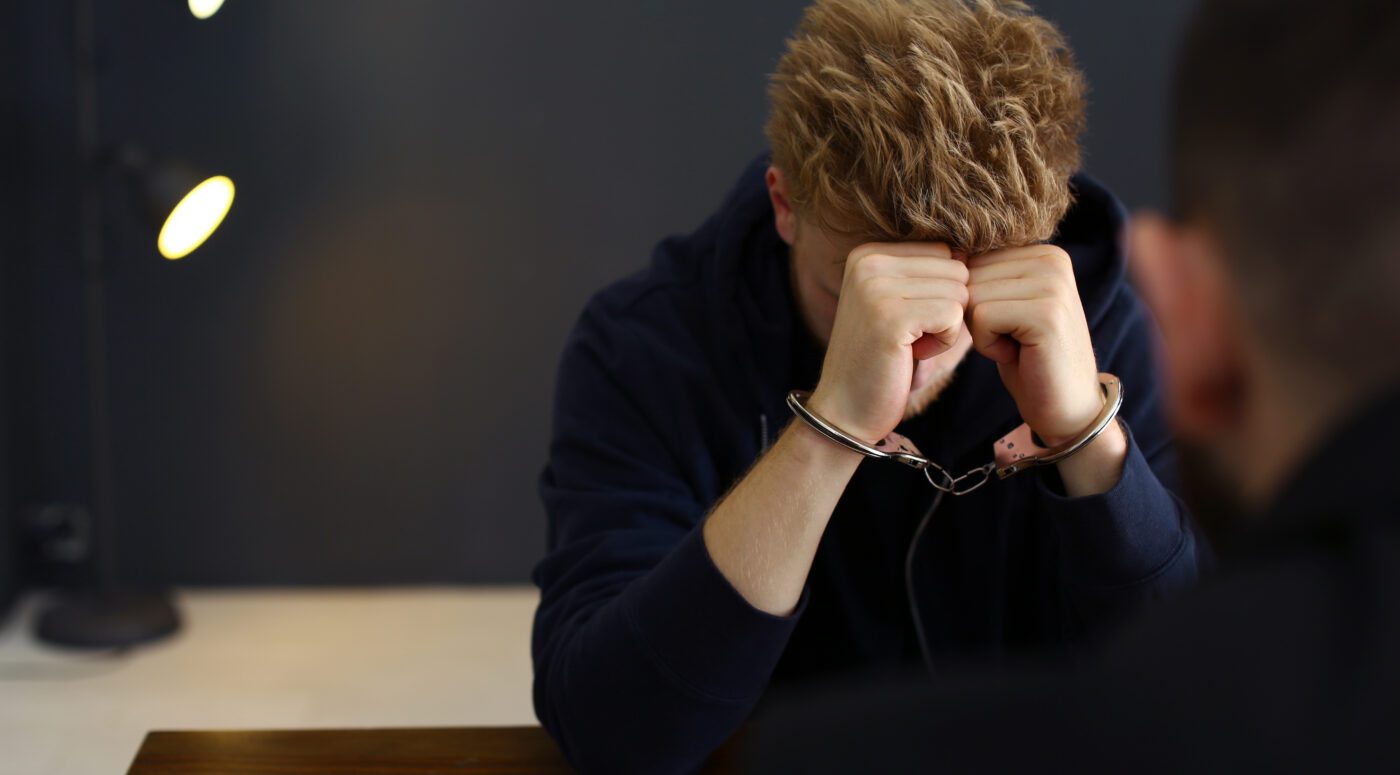
If you have been accused of actual bodily harm (ABH), you may be feeling distressed, anxious, or uncertain about what will happen next. ABH is a criminal offence that the courts take seriously, but it is also an offence where sentencing outcomes vary widely depending on the circumstances. Many people charged with ABH worry that prison is inevitable, while others are unsure whether the court may consider alternatives such as a suspended sentence. This article explains the offence, the sentencing framework, and what steps you can take to improve your chances of achieving a favourable result.
What is actual bodily harm (ABH)?
Actual bodily harm is an offence under Section 47 of the Offences Against the Person Act 1861. It is committed when a person assaults another and causes “actual bodily harm”. This means the prosecution must prove an assault and that the victim suffered injuries that are more than trivial but need not be serious.
The harm must interfere with the health or comfort of the victim and must be more than momentary or short-lived. Common examples of injuries that may amount to ABH include bruising, swelling, cuts, scratches, minor fractures, or psychological harm that is medically recognised.
ABH can occur in many different scenarios. It is sometimes charged in connection with fights, domestic incidents, disputes between acquaintances, or altercations in public. It can also arise in situations where a defendant did not intend to cause injury but behaved recklessly, resulting in harm.
Examples of ABH include punching or kicking someone and causing bruising, pushing someone who then falls and suffers an injury, striking someone with an object causing visible harm, or grabbing a person with enough force to leave marks or scratches. Psychological harm can qualify as ABH if it is more than transient distress and is supported by medical evidence.
Importantly, the defendant does not need to intend to cause injury. It is enough that they intended the assault (such as a push or strike) and that harm resulted.
What are the usual sentences for ABH?
ABH carries a maximum sentence of five years’ imprisonment. However, the sentence imposed in any individual case depends on the level of harm, the defendant’s culpability, aggravating or mitigating factors, and whether there was an early guilty plea.
The Sentencing Council provides clear guidelines, dividing cases into categories based on harm and culpability.
High culpability includes factors such as using a weapon, repeated blows, targeting vulnerable victims, or involvement in a group attack. Lower culpability may involve cases where the defendant acted impulsively, played a minor role, or was provoked.
Higher harm includes significant injuries such as fractures or prolonged psychological effects, while lower harm includes superficial injuries like bruising, minor cuts, or temporary pain.
Sentencing ranges include:
- Category 1 (high culpability, high harm): Custody between 18 months and three years.
- Category 2 (medium culpability or harm): Custody between six months and 18 months, though the court retains discretion to suspend sentences in some circumstances.
- Category 3 (lower culpability and lower harm): Community orders up to around six months’ custody. Suspended sentences are common in this category, especially where there is strong mitigation.
Cases involving minimal injury and strong personal mitigation may be sentenced with a high-level community order rather than imprisonment, depending on the circumstances.
What is a suspended sentence and how does it work?
A suspended sentence is a custodial sentence that the court imposes but suspends for a period, allowing the defendant to remain in the community. The custodial term must be two years or less. The suspension period is usually between six months and two years.
During the suspension period, the defendant must comply with certain conditions. These may include unpaid work requirements, rehabilitation activity requirements, curfews with electronic monitoring, exclusion zones, drug or alcohol treatment, mental health interventions, or supervision by the probation service.
If the defendant abides by the conditions and commits no further offences during the suspension period, the custodial sentence will not be activated. If they breach the conditions or commit another offence, the court will usually activate the custodial term, meaning the defendant may have to serve some or all of the sentence in prison.
A suspended sentence is a serious punishment. It is only imposed where the court believes custody is appropriate but decides that immediate imprisonment is not necessary.
Can ABH result in a suspended sentence?
Yes, ABH can result in a suspended sentence. In fact, suspended sentences are relatively common for ABH cases that fall within the lower or medium range of seriousness. Whether a suspended sentence is appropriate will depend on both the circumstances of the offence and the personal circumstances of the defendant.
Suspended sentences are more likely in cases where the injuries were minor, where the defendant acted impulsively, or where there were mitigating factors such as provocation, emotional stress, or a lack of intention to cause serious harm. Cases involving first-time offenders, those with strong personal mitigation, or those who played a minor role are also more likely to attract suspended sentences.
A suspended sentence becomes less likely where the case involves more serious features such as the use of a weapon, repeated violence, targeting vulnerable victims, involvement in a group attack, or significant injuries. The presence of relevant previous convictions, particularly for violence, also reduces the likelihood of suspension.
An early guilty plea can help bring a case into the range where a suspended sentence is possible, as it can reduce the sentence by up to one third.
What factors do courts consider when deciding on a suspended sentence for ABH?
Courts evaluate several offence-related and personal factors when deciding whether to suspend a custodial sentence.
- Level of harm caused. More serious injuries make suspension less likely.
- Culpability of the defendant. Higher culpability, such as using weapons or repeated blows, increases the chance of immediate custody.
- Motivation and context. Incidents involving provocation, emotional distress, or impulsive behaviour may attract more leniency.
- Relationship with the victim. Domestic incidents may be treated more seriously depending on the circumstances, particularly where there is a pattern of abusive behaviour.
- Role of the defendant. Minor or peripheral roles may attract lower sentences.
- Previous convictions. A clean record supports suspension, while a history of violence undermines it.
- Personal mitigation. Mental health difficulties, caring responsibilities, and other vulnerabilities can influence the court’s decision.
- Prospects of rehabilitation. Courts prefer to suspend sentences where the defendant is unlikely to reoffend and shows clear steps towards rehabilitation.
How serious does the offence have to be for a prison sentence for ABH?
ABH often crosses the custody threshold, particularly in cases involving repeated blows, use of a weapon, involvement in group violence, or significant injury. The likelihood of prison increases where the offence is connected to domestic violence, gang activity, or alcohol-fuelled aggression.
Immediate custody is generally more likely when:
- The victim suffered significant harm
- The defendant used a weapon or acted with high levels of aggression
- There was sustained or repeated violence
- The victim was vulnerable due to age, disability, or intoxication
- The defendant has previous convictions for violence
- The assault occurred while on bail or during a suspended sentence
However, many ABH cases fall within the lower range of seriousness. These cases often result in community orders or suspended sentences, particularly when the injuries are modest, the defendant shows remorse, and the risk of reoffending is low.
What can I do to improve my chances of getting a suspended sentence for ABH?
There are several practical steps you can take to strengthen your mitigation and improve your chances of receiving a suspended sentence.
- Seek specialist legal representation. Experienced solicitors can review the evidence, negotiate with the prosecution, and prepare strong mitigation.
- Provide a clear account of the incident. Explaining your actions and the context can help the court understand your level of responsibility.
- Demonstrate remorse. Courts look favourably on defendants who show genuine insight into their behaviour.
- Obtain strong character references. Statements from employers, community members, or family can show that the offence was out of character.
- Address underlying issues. If alcohol, mental health difficulties, or emotional stress contributed to the incident, evidence of treatment or support services can help.
- Engage in positive activities. Employment, education, or voluntary work demonstrates stability and reduces perceived risk.
- Provide evidence of positive personal circumstances. Caring responsibilities, stable employment, or family obligations may persuade the court that immediate custody would cause disproportionate harm.
Where to get more help
Facing an allegation of ABH can be distressing, particularly when the potential consequences include imprisonment. Our team at Stuart Miller Solicitors has extensive experience defending clients charged with violent offences, including ABH. We understand the pressure you are under and can provide clear, practical advice tailored to your circumstances. Get in touch today for confidential guidance about your situation and how to achieve the best possible outcome.
OUR COMMITMENTS TO YOU:
-
Responsive
A legal expert will consult you within 24 hours of making an enquiry.
-
Empathetic
We will always treat you with trust, understanding and respect.
-
Specialised
Your case will be handled by an expert who specialises in your type of offence.
-
Proactive
We will take early action to end proceedings as soon as it is practically and legally possible to do so.
-
Engaged
You will be kept updated on your case at all times. We will provide a named contact available to answer your questions.
-
Caring
We understand this is a difficult and stressful time for you and your family. Our team will support you every step of the way.
-
Tenacious
We will never give up on your case. We fight tirelessly to get you the best possible outcome.
Google Rating
Based on 484 reviews
×