
-

Top 1% of Defence Law Firms
-

Defended over 50,000 Cases
-

5 star google reviews
-

40 Years of Criminal Law Expertise
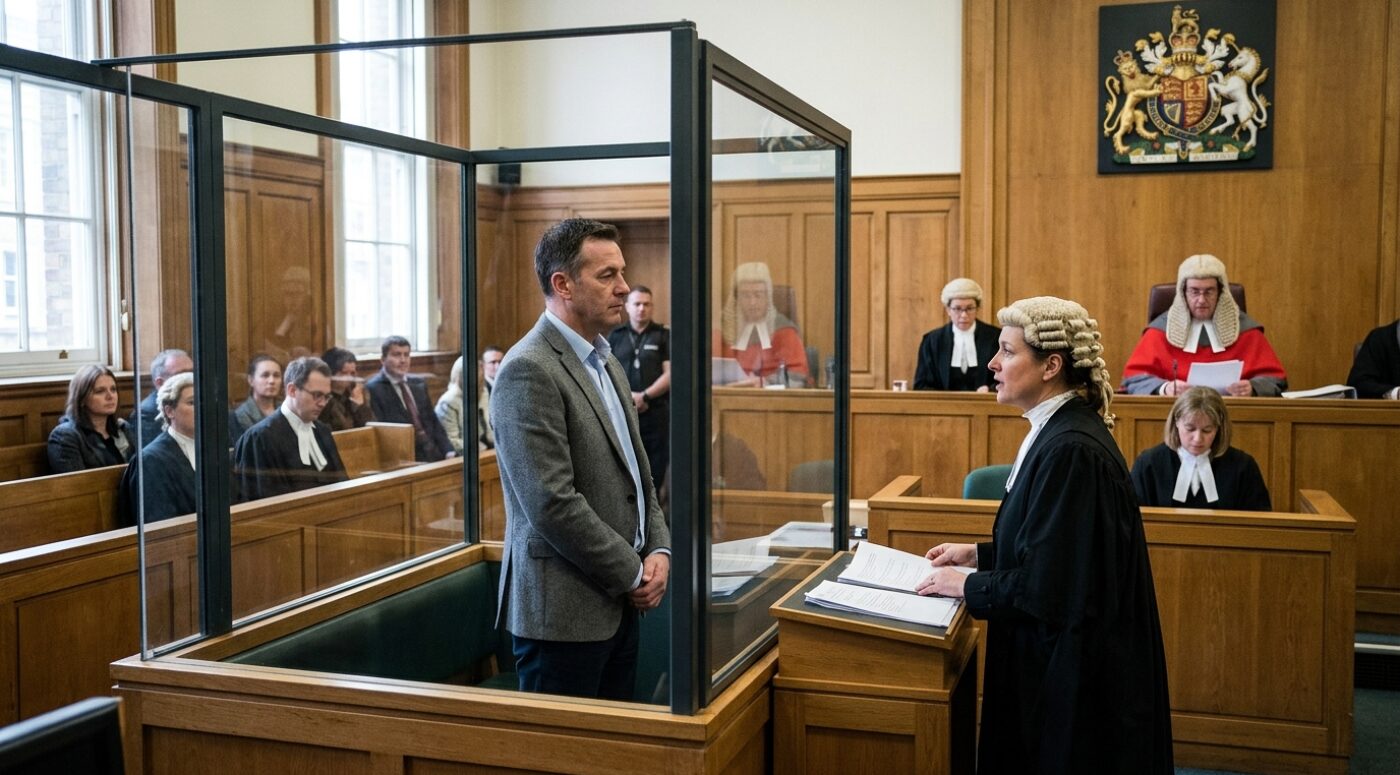
Being accused of sexual assault is a significantly unsettling and overwhelming thing. You may be facing immediate decisions about police interviews, restrictions on your movements, and uncertainty about whether you will be allowed to return home. Understandably, one of your first concerns is whether you can be released while the case is investigated or goes to court. This article will explain what sexual assault means in law, what typically happens after arrest, how bail decisions are made, what conditions you might face, and what practical steps can strengthen your position.
What is sexual assault?
Sexual assault is an offence under the Sexual Offences Act 2003. In simple terms, it involves intentionally touching another person in a sexual way without their consent, and without a reasonable belief that they consented. The touching can be through clothing and does not have to involve penetration.
The law focuses on three core elements: whether there was touching, whether the touching was sexual, and whether the other person consented. Consent has a specific legal meaning. A person must agree by choice and have both the freedom and capacity to make that choice. Factors such as alcohol, drugs, fear, pressure, or vulnerability can affect whether consent existed.
Sexual assault covers a wide range of allegations, from brief alleged contact in a public place to more serious, intimate incidents. Because the circumstances vary so widely, the approach to bail will depend heavily on the detail of the allegation and your personal situation.
What happens after an arrest for sexual assault?
After arrest, you will usually be taken to a police station and booked into custody. Remember, you have the right to free and independent legal advice. The police may interview you under caution. Depending on the circumstances, they may also seize your phone or other devices for examination and take forensic samples.
Sexual assault allegations are often investigated thoroughly and can take time. The police may need to obtain witness statements, review digital communications, and seek charging advice from the Crown Prosecution Service.
At the end of your time in custody, one of several things may happen. You could be released without further action, released under investigation, released on bail with conditions, or charged and either bailed to attend the Magistrates’ Court or kept in custody to appear at the next available court. Which outcome applies will depend on the available evidence and the assessment of risk.
What is the difference between bail and being released under investigation?
Police bail means you are released from custody subject to conditions and required to return to the police station or attend court on a specified date. Conditions are legally binding. If you breach them, you can be arrested and brought back into custody.
Release under investigation (often called RUI) means you are released without conditions while enquiries continue. There is no set date to return, although you may be contacted later if the police decide to take further action.
In sexual assault cases, police often impose bail rather than RUI where they believe there is a need to manage contact between you and the complainant or to reduce any perceived risk. Bail allows the police to set restrictions designed to protect others and preserve evidence while the investigation continues.
Can I get bail for sexual assault?
There is a general presumption in favour of bail under English law. This means that, in most cases, a person should be released unless there are specific reasons to refuse bail. However, that presumption can be displaced if the police or court believe there are substantial grounds for concern.
If you have not yet been charged, the police decide whether to grant bail. If you are charged, the Magistrates’ Court will consider bail at your first hearing. In more serious cases sent to the Crown Court, that court can also review the decision.
Sexual assault is treated as a serious allegation because it involves personal autonomy and public protection considerations. That does not mean bail is automatically refused. Many people accused of sexual assault are granted bail, sometimes with strict conditions. The outcome depends on factors such as the strength of the evidence, your previous record, and whether conditions can adequately address any risks identified.
If bail is initially refused by the police after charge, you will be brought before the Magistrates’ Court, which will make an independent decision. If bail is refused there, it may be possible to apply again to the Crown Court in appropriate cases.
What bail conditions might I face for sexual assault?
Bail conditions in sexual assault cases are designed to manage risk and prevent interference with witnesses. The exact restrictions will reflect the facts of the allegation and your personal circumstances.
Common conditions include:
- A prohibition on contacting the complainant directly or indirectly
- A restriction preventing you from entering a particular street, workplace, or area
- A requirement to live at a specified address
- A curfew, sometimes monitored by electronic tag
- A restriction on unsupervised contact with children, where relevant
- A requirement to surrender your passport if there are concerns about travel
These conditions can feel intrusive, particularly if they affect your home life or employment. However, they are often the mechanism by which bail is made possible. If the court is satisfied that clear boundaries are in place, it may be more willing to allow you to remain in the community while proceedings continue.
What factors do police and courts consider when deciding bail for sexual assault?
When deciding whether to grant bail, the police or court must consider whether there are substantial grounds to believe you would fail to attend court, commit further offences, or interfere with witnesses or obstruct the course of justice.
In sexual assault cases, particular attention is often paid to the risk of contact with the complainant and the possibility of further alleged behaviour. The court will look closely at the relationship, if any, between you and the complainant. Allegations involving former partners or colleagues can raise different concerns from those involving strangers.
Other relevant factors include the nature and apparent strength of the evidence, your previous convictions (especially for similar matters), your ties to the local area, and your record of complying with previous court orders. A stable address, steady employment, and family responsibilities may weigh in your favour, but they do not guarantee bail.
If there is information suggesting intimidation, attempts to contact the complainant after the allegation, or breaches of earlier bail, the likelihood of refusal increases. Each decision is fact-specific, based on the material available at the time.
What can I do to improve my chances of being granted bail?
While the decision ultimately rests with the police or the court, there are practical steps that can place you in a stronger position. Preparation and credible proposals can make a meaningful difference.
You may be able to:
- Provide clear details of a stable address where you can reside
- Identify a responsible person willing to offer accommodation away from the complainant
- Demonstrate steady employment or education commitments
- Show a history of complying with previous bail or court orders
- Offer to accept proportionate conditions, such as non-contact terms
- Supply character references where appropriate
Avoid any behaviour that could be interpreted as pressure or interference, including indirect communication through friends or social media. Even well-intentioned messages can be mischaracterised and damage your position. Taking early legal advice ensures that any representations made on your behalf are carefully framed and supported by evidence.
How can a solicitor help me secure bail for sexual assault?
A solicitor is important from the outset of your case; they make representations to the custody sergeant about why bail is appropriate and what conditions could address perceived risks. This early input can shape the initial decision.
If you are charged, your solicitor will prepare a structured bail application for the Magistrates’ Court. This may involve gathering documents to confirm your address, employment, or caring responsibilities, and presenting a clear plan that reduces concerns about contact or further allegations.
Where bail has been refused, a solicitor can advise on the merits of renewing the application, including whether circumstances have changed or whether a Crown Court application is appropriate. Throughout, the focus is on presenting you as an individual rather than allowing the allegation alone to define the assessment of risk.
Careful preparation, accurate legal argument, and practical proposals can significantly influence how your case is viewed at this early stage.
Where to get more help
An allegation of sexual assault requires prompt, considered advice. Early decisions about interview strategy, living arrangements, and communication can affect both bail and the wider case. Seeking guidance at the outset allows you to understand your position clearly and avoid avoidable mistakes. Experienced defence solicitors – like the ones you will find at Stuart Miller Solicitors – can assess the specific facts, advise you realistically about risk, and present your case with care and discretion. For tailored advice and immediate assistance, contact us today to book a free, no obligation consultation.
OUR COMMITMENTS TO YOU:
-
Responsive
A legal expert will consult you within 24 hours of making an enquiry.
-
Empathetic
We will always treat you with trust, understanding and respect.
-
Specialised
Your case will be handled by an expert who specialises in your type of offence.
-
Proactive
We will take early action to end proceedings as soon as it is practically and legally possible to do so.
-
Engaged
You will be kept updated on your case at all times. We will provide a named contact available to answer your questions.
-
Caring
We understand this is a difficult and stressful time for you and your family. Our team will support you every step of the way.
-
Tenacious
We will never give up on your case. We fight tirelessly to get you the best possible outcome.
Google Rating
Based on 516 reviews
×