-

Top 1% of Defence Law Firms
-

Defended over 50,000 Cases
-

5 star google reviews
-

40 Years of Criminal Law Expertise
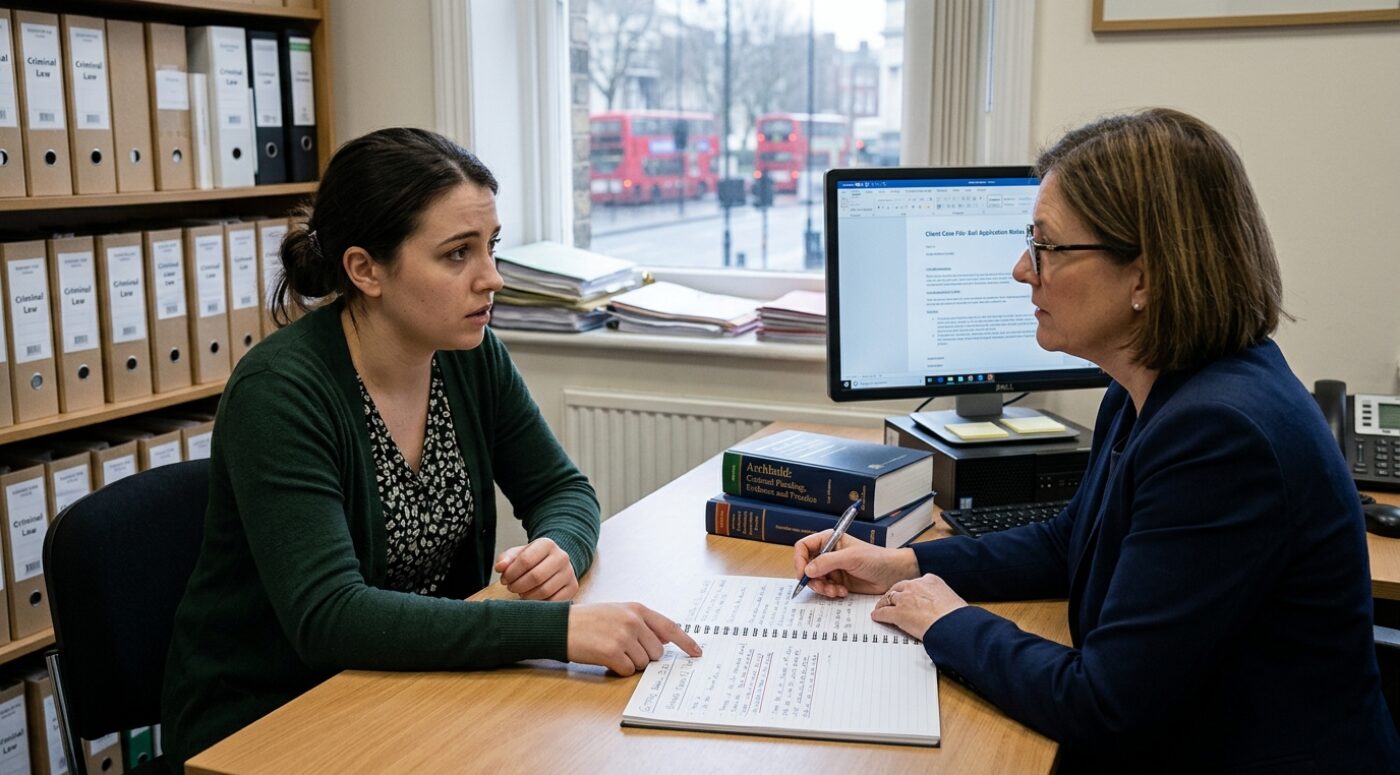
Being arrested or investigated for revenge porn can feel overwhelming. You may be unsure what the allegation really means, whether you will be kept in custody, and how quickly you can return home. Questions about bail are often the most urgent. This article will explain what revenge porn involves under English law, what happens after arrest, how bail decisions are made, and what conditions you might face. It will also outline practical steps you can take to improve your position and how a solicitor can help you navigate this stage with clarity and care.
What is revenge porn?
“Revenge porn” is the informal term commonly used to describe the offence of disclosing private sexual photographs or films without the consent of the person shown, and with the intention of causing them distress. The offence is found in Section 33 of the Criminal Justice and Courts Act 2015.
In simple terms, the prosecution must prove that you shared an image or video which was private and sexual, that the person depicted did not consent to that disclosure, and that you intended to cause them distress by sharing it. The image does not need to have been taken by you. Forwarding an existing image to others, uploading it to social media, or placing it on a website can all amount to disclosure.
The allegation often arises in the context of a former relationship, although that is not legally required. The courts take the offence seriously because it involves both privacy and personal safety. However, each case turns on its own facts, particularly around intent and consent.
More recent legislation under the Online Safety Act 2023 has expanded certain related offences, including sharing intimate images without consent even where distress is not specifically intended. The precise charge you face will depend on the date and circumstances of the alleged conduct.
What happens after an arrest for revenge porn?
If you are arrested on suspicion of revenge porn, you will be taken to a police station and booked into custody. You have the right to free and independent legal advice. Ensure you use that right before answering questions in an interview.
The police may seize your mobile phone, computer, or other digital devices. In these cases, digital evidence is often central. Devices are usually retained for forensic examination, which can take time.
After the interview, the police must decide whether to release you, keep you in custody to be charged and brought before the Magistrates’ Court, or release you on bail or under investigation while enquiries continue.
In less complex cases, you may be charged relatively quickly. In others, particularly where digital evidence requires detailed analysis, a charging decision may not be made for months.
What is the difference between bail and being released under investigation?
If you are released on police bail, you will be allowed to leave custody subject to conditions. You will be given a date to return to the police station, and you must comply with any restrictions imposed. Breaching bail conditions can lead to arrest and possible further consequences.
Being released under investigation means you are not subject to formal bail conditions. There is no fixed return date, although you remain under investigation and may be contacted if further evidence is gathered or a charging decision is made.
The choice between bail and release under investigation depends on whether the police believe conditions are necessary to manage risk. In revenge porn cases, where there may be concerns about further disclosure or contact with a complainant, bail with conditions is common.
Can I get bail for revenge porn?
There is a general presumption in favour of bail in England and Wales, even for more serious offences. That means you should be granted bail unless there are clear reasons to refuse it. However, that presumption can be displaced if the police or court believe there are substantial grounds to think you would fail to attend, commit further offences, or interfere with witnesses.
Revenge porn is usually dealt with in the Magistrates’ Court, although more serious or linked cases can be sent to the Crown Court. In many first-time cases, defendants are granted bail. That said, bail is never automatic.
If the allegation suggests ongoing harassment, repeated disclosures, or attempts to intimidate the complainant, the risk assessment may be less favourable. Conversely, if this is an isolated allegation, you have a stable address, and there is no history of breaching court orders, bail is more likely.
Where someone is charged and kept in custody, they must be brought before the Magistrates’ Court as soon as practicable, often the next working day. The court will then make its own independent decision about bail.
What bail conditions might I face for revenge porn?
Bail conditions are designed to address specific risks. In revenge porn cases, the primary concerns usually relate to protecting the complainant and preventing further sharing of images.
Conditions might include:
- Not contacting the complainant directly or indirectly
- Not attending their home, workplace, or specified areas
- Not posting about them on social media
- Restricting use of certain social media platforms
- Providing access to devices for monitoring if required
- Residing at a particular address
In some circumstances, you may also be prohibited from deleting data from devices or creating new online accounts. The wording of conditions matters. Breaching them, even unintentionally, can result in arrest.
Your solicitor can ask for conditions to be narrowed if they are wider than necessary, for example to allow continued employment where internet use is essential.
What factors do police and courts consider when deciding bail for revenge porn?
Bail decisions focus on risk. The police or court will consider the nature of the allegation, the strength of the evidence at that stage, and your personal circumstances.
Relevant factors include your previous convictions, especially for harassment, stalking, or breaches of court orders. A history of ignoring restrictions will weigh heavily against you.
The court will also look at whether there is evidence of repeated sharing, threats to disclose more material, or attempts to pressure the complainant. Any suggestion of ongoing behaviour increases the risk of refusal.
Your ties to the community are relevant. Stable employment, a fixed address, and family responsibilities can support an argument that you are unlikely to abscond.
If there are concerns about witness interference, particularly in cases involving former partners, judges may impose strict non-contact provisions rather than remand you in custody, provided that conditions can adequately manage the risk.
What can I do to improve my chances of being granted bail?
While the decision is not yours to make, there are constructive steps you can take. Courts respond positively to clear, practical proposals that reduce perceived risk.
You should ensure that your solicitor has full and accurate information about your circumstances. Surprises in court rarely assist.
- Provide proof of a stable address where you can live without contact with the complainant
- Offer voluntary undertakings not to contact or approach the complainant
- Demonstrate continued employment or education commitments
- Show willingness to surrender passports if travel is a concern
- Identify a responsible person who can support you during proceedings
Avoid any behaviour that could be interpreted as retaliation or commentary about the case online. Even indirect messages can be raised in court and affect how risk is viewed.
How can a solicitor help me secure bail for revenge porn?
In the early stages, a solicitor can make representations to the custody officer about why bail, rather than detention, is appropriate and argue for proportionate conditions.
If you appear before the Magistrates’ Court, your solicitor will present structured arguments addressing each bail risk in turn. This may involve proposing specific safeguards, clarifying misunderstandings about the evidence, and challenging claims that you present an ongoing threat.
In cases involving digital evidence, a solicitor can also highlight where the investigation is incomplete or where intent is disputed, which may reduce the perceived strength of the case at that stage.
If bail is refused, there may be grounds to renew the application in the Crown Court. Having experienced representation ensures that your application is prepared properly and supported by the right information.
Where to get more help
An allegation of revenge porn raises sensitive and potentially damaging issues, both legally and personally. Early advice can make a significant difference to how your case progresses and whether you remain at liberty while it is investigated. Careful preparation, informed representations, and a steady approach are essential. The friendly and approachable team at Stuart Miller Solicitors has extensive experience defending allegations involving digital communications and privacy offences, and we understand the practical pressures you may be facing. For clear guidance tailored to your exact situation, contact us and we can arrange your no obligation consultation.
OUR COMMITMENTS TO YOU:
-
Responsive
A legal expert will consult you within 24 hours of making an enquiry.
-
Empathetic
We will always treat you with trust, understanding and respect.
-
Specialised
Your case will be handled by an expert who specialises in your type of offence.
-
Proactive
We will take early action to end proceedings as soon as it is practically and legally possible to do so.
-
Engaged
You will be kept updated on your case at all times. We will provide a named contact available to answer your questions.
-
Caring
We understand this is a difficult and stressful time for you and your family. Our team will support you every step of the way.
-
Tenacious
We will never give up on your case. We fight tirelessly to get you the best possible outcome.
Google Rating
Based on 516 reviews
×