
-

Top 1% of Defence Law Firms
-

Defended over 50,000 Cases
-

5 star google reviews
-

40 Years of Criminal Law Expertise
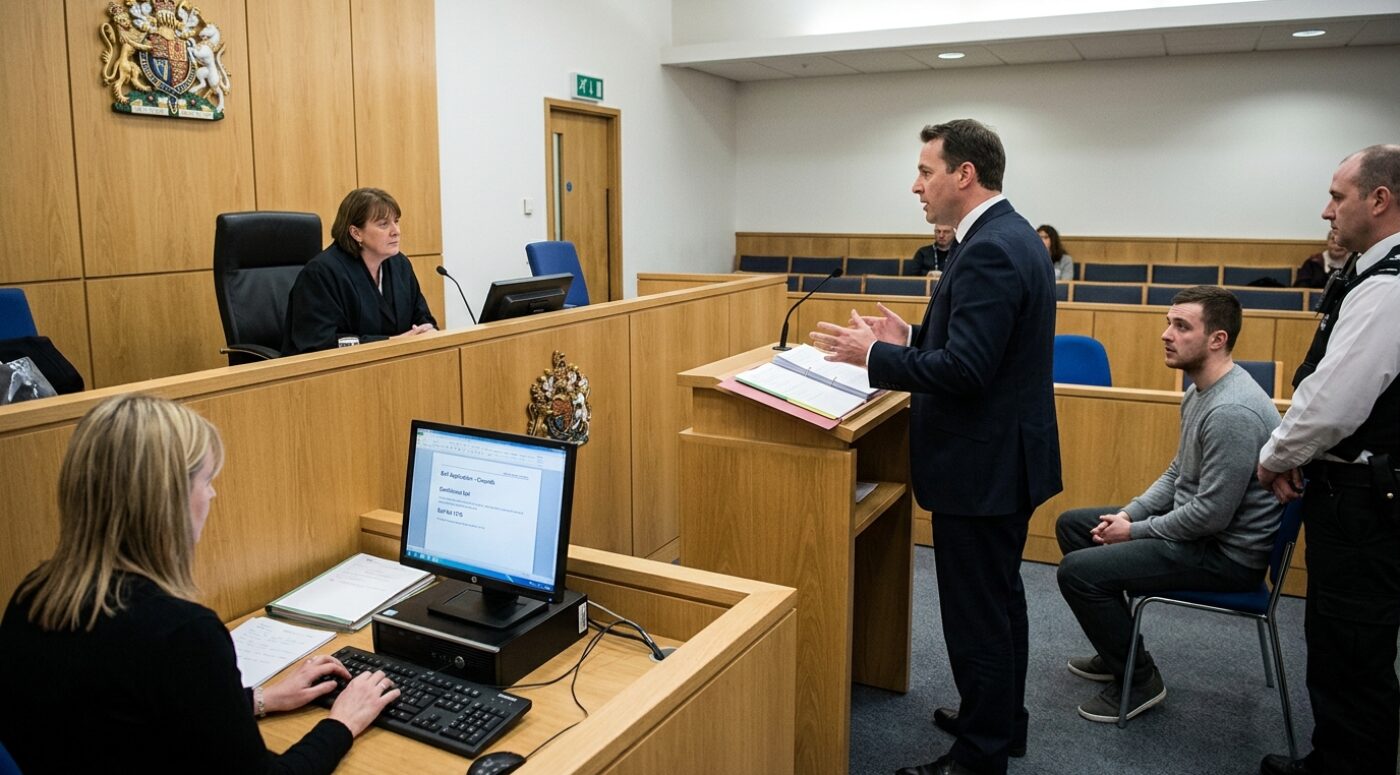
Finding yourself arrested or charged on suspicion of armed robbery – a crime treated with the utmost seriousness by the courts – is frightening. You may be worrying about whether you will be allowed home, how long you could be kept in custody, and what happens next. The uncertainty can feel overwhelming, especially if this is your first experience of the criminal justice system. This article will explain what armed robbery means in law, what happens after arrest, how bail decisions are made, and what practical steps can improve your chances of being released. Our aim is to give you clear, realistic guidance so you understand your position.
What is armed robbery?
Armed robbery is not a separate statutory offence with its own name, but a description of a robbery – governed by Section 8 of the Theft Act 1968 – that involves the use of a weapon. In legal terms, robbery is committed when a person steals and immediately before or at the time of doing so uses force on another person, or puts them in fear of being subjected to force.
When the allegation includes a weapon, the matter becomes significantly more serious. The “weapon” may be a firearm, a knife, an imitation firearm, or any object used to threaten or cause harm. It does not have to be discharged or used to injure someone; the threat alone can be enough.
Because armed robbery combines theft with violence or the threat of violence, it is treated as a grave offence. Cases are sent to the Crown Court and carry the risk of lengthy custodial sentences if proven. That level of seriousness directly influences whether bail will be granted.
What happens after an arrest for armed robbery?
If you are arrested on suspicion of armed robbery, you will be taken to a police station for questioning. You have the right to free legal advice. The police will interview you under caution and may search your home or seize devices if relevant to the investigation.
The police can keep you in custody while they gather evidence, but only for limited periods set by law, unless extensions are authorised. At the end of the detention period, one of several things may happen: you may be charged, released on bail pending further investigation, or released under investigation.
If you are charged, the police must decide whether to grant bail for your first appearance at the Magistrates’ Court or keep you in custody to be brought before the court. Given the seriousness of armed robbery, it is not uncommon for the police to refuse bail and ask the Magistrates’ Court to consider the issue.
What is the difference between bail and being released under investigation?
Police bail means you are released from custody subject to conditions and must return to the police station or attend court on a specified date. Conditions can restrict your movements or who you contact. Breaching those conditions can lead to arrest and further complications.
Release under investigation (often shortened to RUI) means you are released without conditions while enquiries continue. There is no fixed return date, although you may be contacted later if charged. In serious cases such as armed robbery, RUI is less common because investigators may consider restrictions necessary to protect the public or preserve evidence.
From your perspective, bail provides certainty about the next steps but can be restrictive. RUI offers more freedom but less clarity about timescales.
Can I get bail for armed robbery?
There is a general right to bail in England and Wales, but it is not absolute. The court can refuse bail if there are substantial grounds for believing that, if released, you would fail to attend court, commit further offences, or interfere with witnesses or obstruct the course of justice.
Because armed robbery involves alleged violence and often the use of weapons, courts approach bail decisions with caution. The starting point is not that bail will be refused, but the seriousness of the allegation means the risks are examined closely.
Whether you are granted bail depends entirely on the particular facts. Someone with no previous convictions, strong community ties, and a stable address may be in a very different position from someone with a history of similar offending. The strength of the prosecution evidence, and whether others are said to be involved, will also influence the outcome.
Bail is therefore possible in armed robbery cases, but it is by no means guaranteed.
What bail conditions might I face for armed robbery?
If bail is granted, conditions are likely to be strict. Their purpose is to manage the specific risks the police or court have identified. In armed robbery cases, conditions often focus on protecting witnesses and preventing contact between alleged co-defendants.
Common conditions may include:
- Not contacting named individuals directly or indirectly
- Not entering certain areas, such as the location of the alleged offence
- Living and sleeping at a specified address
- Observing a curfew, sometimes monitored by an electronic tag
- Surrendering your passport to prevent travel abroad
- Reporting regularly to a police station
The exact combination will depend on the circumstances. In some cases, especially where firearms are alleged, courts may consider particularly tight restrictions. It is important to comply fully. A breach can result in arrest and make future bail applications more difficult.
What factors do police and courts consider when deciding bail for armed robbery?
The police and the courts apply criteria set out in the Bail Act 1976 in deciding bail cases. They assess risk rather than punishment. The seriousness of armed robbery means risk assessment is thorough.
Key considerations include the nature and gravity of the alleged offence, the strength of the evidence, and the likely sentence if convicted. A strong case with CCTV, forensic evidence, or identification may increase concern about non-attendance.
Your personal circumstances are equally important. The court will look at your previous convictions, especially any involving violence, weapons, or breach of bail. They will also consider your record of attending court in the past.
Ties to the community matter. Stable employment, family responsibilities, and a fixed address can all reduce perceived risk. If there are co-accused, the court will consider whether you might collude or put pressure on witnesses. In armed robbery allegations, complainant safety is a significant factor.
What can I do to improve my chances of being granted bail?
You cannot control the allegation itself, but you can take practical steps that present you as a lower risk. Preparation and credible information make a difference.
Helpful steps may include:
- Providing confirmation of a stable address where you can live if released
- Offering a surety (someone willing to promise money to secure your attendance)
- Gathering evidence of employment or education commitments
- Demonstrating willingness to comply with strict conditions, including a curfew
- Avoiding any contact with alleged co-defendants or witnesses
- Following your solicitor’s advice carefully at every stage
Ensure that nothing you do undermines your position. Attempts to contact witnesses or discuss the case over social media can quickly damage a bail application and may amount to further offences. Showing that you understand the seriousness of the situation and are prepared to abide by conditions can assist the court in taking a measured view.
How can a solicitor help me secure bail for armed robbery?
Early legal representation is critical in serious allegations such as armed robbery. A solicitor can make detailed representations to the police before charge, arguing that bail, rather than detention, is appropriate.
If the matter goes before the Magistrates’ Court, your solicitor will prepare a structured bail application, addressing each legal concern directly. This may involve proposing specific conditions to counter perceived risks, presenting sureties, and providing documentary support for your living arrangements or employment.
If bail is refused, there may be scope to renew the application in the Crown Court. An experienced defence solicitor will advise you on timing and prospects, ensuring that any further application is properly prepared rather than rushed.
Throughout, your solicitor’s role is to combine legal argument with practical safeguards that give the court confidence in your compliance.
Where to get more help
An allegation of armed robbery is treated with absolute seriousness, and decisions about bail can shape the weeks and months that follow. The earlier you obtain tailored legal advice, the better positioned you will be to respond effectively. Careful preparation, realistic assessment of risk, and focused advocacy can make a meaningful difference. If you or a family member is facing this situation, speak to a defence solicitor who understands complex and high-risk cases. For clear, discreet guidance and practical support, contact Stuart Miller Solicitors to arrange your free consultation on next steps.
OUR COMMITMENTS TO YOU:
-
Responsive
A legal expert will consult you within 24 hours of making an enquiry.
-
Empathetic
We will always treat you with trust, understanding and respect.
-
Specialised
Your case will be handled by an expert who specialises in your type of offence.
-
Proactive
We will take early action to end proceedings as soon as it is practically and legally possible to do so.
-
Engaged
You will be kept updated on your case at all times. We will provide a named contact available to answer your questions.
-
Caring
We understand this is a difficult and stressful time for you and your family. Our team will support you every step of the way.
-
Tenacious
We will never give up on your case. We fight tirelessly to get you the best possible outcome.
Google Rating
Based on 516 reviews
×