
-

Top 1% of Defence Law Firms
-

Defended over 50,000 Cases
-

5 star google reviews
-

40 Years of Criminal Law Expertise
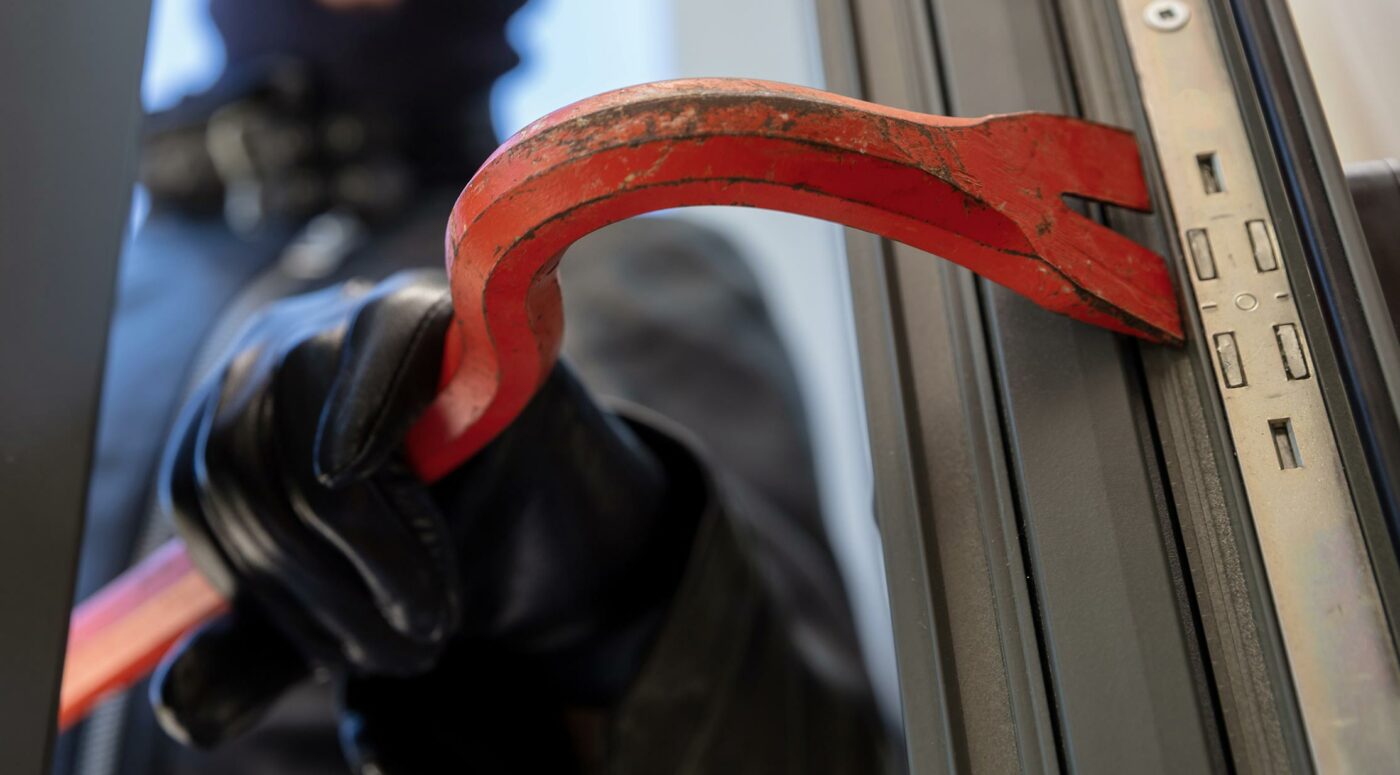
If you have been accused of handling stolen goods, you may be feeling anxious and uncertain about what this means for your future. You may be unsure of the seriousness of the allegation, whether prison is a likely outcome, or whether a suspended sentence might still be possible. Handling stolen goods is an offence that the courts in England and Wales take seriously, particularly because it plays a role in enabling theft, burglary, robbery, and other acquisitive crimes. This article explains the law, the sentencing framework, when suspended sentences may be available, and how to improve your chances of achieving the most favourable outcome.
What is handling stolen goods?
Handling stolen goods is an offence under Section 22 of the Theft Act 1968. The offence is committed when a person receives stolen goods, assists in their retention, disposal, or realisation, or arranges to do so, knowing or believing that the goods are stolen. The key elements are that the goods must be “stolen”, and the defendant must either know or believe that they are stolen at the time of handling.
A person can be convicted even if they did not physically handle the goods themselves. Assisting others, facilitating the sale or storage of stolen items, or arranging for their movement can all amount to handling. The offence is often associated with wider criminal behaviour, such as involvement in burglary rings, stolen vehicle operations, or purchasing goods at knowingly unrealistic prices.
Examples of handling stolen goods include:
- Receiving property such as phones, jewellery, tools, or electronics that you know or suspect were stolen.
- Storing stolen goods for someone else to avoid detection.
- Selling or attempting to sell items that were taken during a burglary.
- Buying goods for a price so low that it should have raised suspicion.
- Acting as a go-between for the disposal of stolen vehicles, bikes, or equipment.
- Assisting with the movement or transfer of property after the theft.
The offence does not require proof of involvement in the original theft – the criminality lies in knowingly benefiting from or facilitating the disposal of stolen property.
What are the usual sentences for handling stolen goods?
Handling stolen goods carries a maximum sentence of 14 years’ imprisonment, though sentences at that level are extremely rare and reserved for the most serious, organised, and high-value cases. The actual sentence imposed depends on the value of the goods, the level of planning, the defendant’s role, and whether the handling encouraged further offending.
Higher-end cases include large-scale operations involving professional criminal groups, valuable items such as high-end vehicles or jewellery, or repeated involvement over time. Sentences in such cases often range from three to seven years’ custody, sometimes more for leading figures.
Mid-range cases include handling moderate-value items, involvement in the disposal of property connected to burglaries or thefts, or situations where the defendant profited financially. Sentences typically range between six months and three years, depending on culpability and mitigation.
Lower-end cases – usually involving low-value goods, minimal planning, and a defendant with limited involvement – may attract sentences ranging from a community order to around 12 months’ custody. These cases fall within the range where suspended sentences may be realistically considered.
The Sentencing Council guidelines separate cases based on harm (usually the value of the goods) and culpability (the defendant’s role, planning, motivation, and awareness). Higher harm and higher culpability lead to harsher outcomes.
What is a suspended sentence and how does it work?
A suspended sentence is a custodial sentence that the court imposes but suspends for a specified period, allowing the defendant to remain in the community as long as they comply with certain conditions. A suspended sentence can only be imposed if the custodial term is two years or less. The suspension period must fall between six months and two years.
During the suspension period, the defendant must comply with conditions set by the court, which may include:
- Unpaid work requirements
- Rehabilitation activity requirements
- Curfews monitored by electronic tagging
- Exclusion from certain places
- Residence requirements
- Treatment for alcohol, drug, or mental health issues
- Reporting to probation as required
If the defendant complies fully and does not reoffend during the suspension period, the custodial sentence will never be activated. However, if the defendant breaches the conditions or commits a new offence, the court will ordinarily activate the custodial term, meaning that the defendant may be required to serve all or part of the sentence in prison.
Can handling stolen goods result in a suspended sentence?
Yes, it can. Handling stolen goods is an offence where suspended sentences are relatively common, particularly when the harm and culpability are low to medium and when the value of the goods is not substantial. The court will assess the specific circumstances of the case before deciding whether immediate custody is necessary.
A suspended sentence may be realistic where:
- The value of the goods was low or modest
- The defendant played a minor or limited role
- The defendant was acting at someone else’s request or under pressure
- There was little or no planning involved
- The defendant did not profit significantly from the handling
- The offending was out of character and the defendant has no relevant previous convictions
- The defendant shows genuine remorse and accepts responsibility
- There is significant personal mitigation, such as caring responsibilities, mental health difficulties, or vulnerability
- The defendant pleads guilty at the earliest opportunity
Suspended sentences become less likely where:
- The goods were of high value
- The handling was part of an organised criminal network
- The defendant played a significant or leading role
- The handling enabled or encouraged further offending, particularly burglary
- The defendant profited substantially from the handling
- The defendant has previous convictions for similar offences
Because handling stolen goods can be linked to more serious criminal behaviour, the courts often impose custodial sentences in higher-end cases. However, for lower-level handling, suspended sentences are a realistic and relatively common outcome.
What factors do courts consider when deciding on a suspended sentence for handling stolen goods?
When assessing whether suspension is appropriate, the court examines both the offence itself and the individual circumstances of the defendant.
- Value of the goods. Higher-value items indicate greater harm, reducing the likelihood of suspension.
- Defendant’s role. Minor participants or those acting under pressure are treated more leniently than organisers or facilitators.
- Level of planning. Spontaneous or opportunistic handling is viewed more favourably than planned involvement in disposal networks.
- Connection to wider criminality. Handling linked to burglary gangs, stolen vehicle rings, or commercial theft organisations significantly reduces mitigation.
- Courts may show leniency where desperation, vulnerability, or coercion played a role.
- Previous convictions. A clean record supports suspension; similar previous offences undermine it.
- Personal mitigation. Mental health conditions, caring responsibilities, youth, or evidence of rehabilitation can influence the court’s decision.
- Risk of reoffending. If the defendant shows genuine remorse and strong prospects of rehabilitation, suspension becomes more plausible.
How serious does the offence have to be for a prison sentence for handling stolen goods?
Handling stolen goods frequently crosses the custody threshold, especially where the goods are valuable, the defendant’s involvement is significant, or the handling forms part of organised criminal behaviour. Immediate custody is likely where:
- The defendant knowingly handled high-value stolen goods
- The goods were linked to burglary or robbery
- The handling was for commercial gain
- The defendant played a central or organisational role
- The defendant has previous convictions for dishonesty
- The handling took place over a prolonged period
However, lower-level cases – especially those involving minimal planning, low-value goods, limited involvement, and strong mitigation – may not cross the custody threshold, or may result in a custodial sentence below two years, allowing for suspension.
What can I do to improve my chances of getting a suspended sentence for handling stolen goods?
You can take several proactive steps to improve your position and increase the likelihood of receiving a suspended sentence.
- Seek specialist legal representation. Experienced solicitors can examine the evidence, challenge assumptions about your role, and present strong mitigation to the court.
- Clarify your level of involvement. Evidence showing that you were a minor participant or acted under pressure can significantly influence sentencing.
- Demonstrate remorse. Genuine insight into the seriousness of the offence can support suspension.
- Obtain strong character references. References from employers, teachers, community members, or family can demonstrate that the behaviour was out of character.
- Address underlying issues. If addiction, debt, mental health difficulties, or coercion contributed to your involvement, gather evidence of treatment or support.
- Engage with rehabilitation opportunities. Participation in voluntary work, employment, or skills training shows positive steps and reduces perceived risk.
- Provide evidence of positive personal circumstances. Caring responsibilities, stable employment, or significant family obligations may support suspension where immediate custody would cause disproportionate harm.
Where to get more help
Facing an allegation of handling stolen goods can be stressful and confusing, especially when the potential consequences include imprisonment. At Stuart Miller Solicitors, our experienced team can provide clear, practical advice and strong legal representation tailored to your circumstances. We understand the pressure you are under and will work tirelessly to secure the best possible outcome in your case. Get in touch with our team today for confidential guidance about your options and the steps you can take moving forward.
OUR COMMITMENTS TO YOU:
-
Responsive
A legal expert will consult you within 24 hours of making an enquiry.
-
Empathetic
We will always treat you with trust, understanding and respect.
-
Specialised
Your case will be handled by an expert who specialises in your type of offence.
-
Proactive
We will take early action to end proceedings as soon as it is practically and legally possible to do so.
-
Engaged
You will be kept updated on your case at all times. We will provide a named contact available to answer your questions.
-
Caring
We understand this is a difficult and stressful time for you and your family. Our team will support you every step of the way.
-
Tenacious
We will never give up on your case. We fight tirelessly to get you the best possible outcome.
Google Rating
Based on 484 reviews
×