
-

Top 1% of Defence Law Firms
-

Defended over 50,000 Cases
-

5 star google reviews
-

40 Years of Criminal Law Expertise
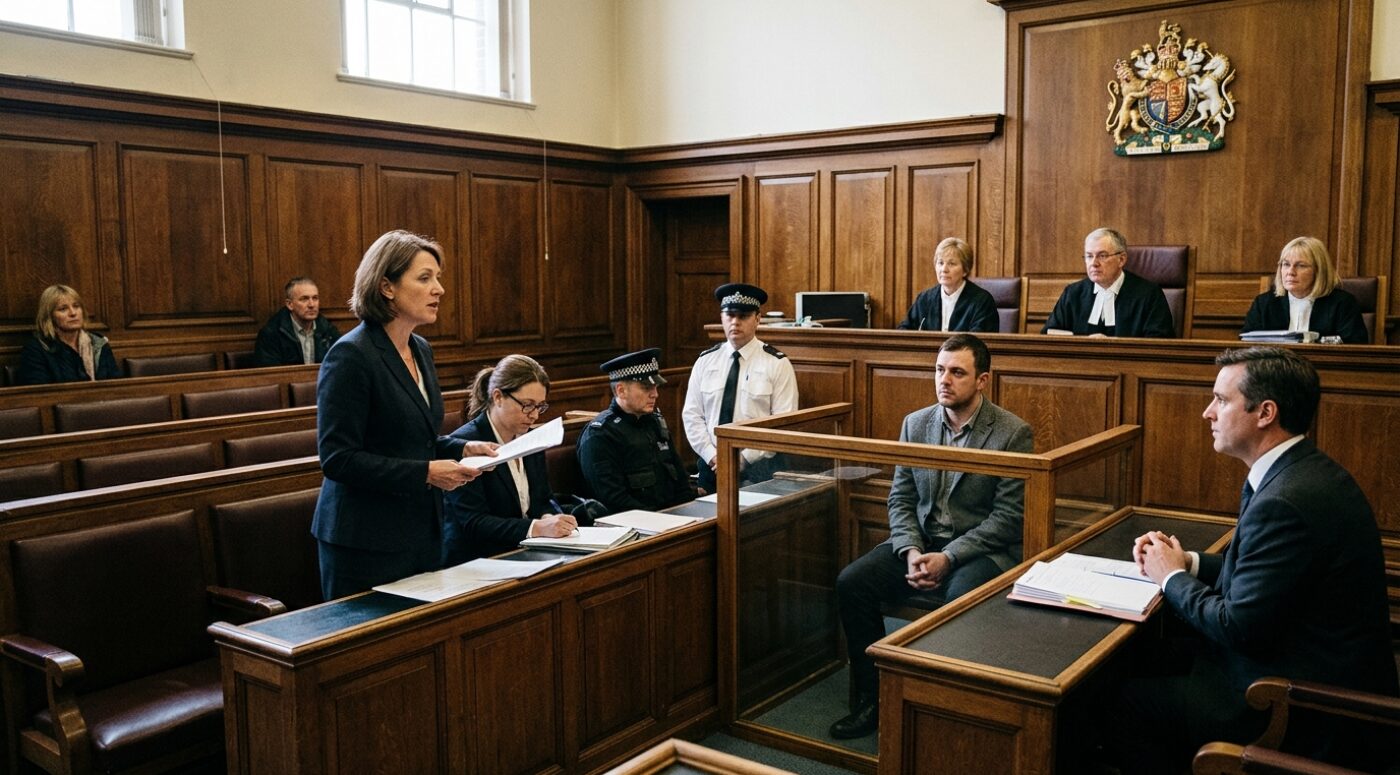
Firearms offences are especially serious offences and the police and courts in the UK treat them accordingly. If you have been arrested or charged with firearms offences, you may be worried about whether you will be kept in custody, how long the investigation will take, and what happens next. Decisions about bail can feel uncertain and intimidating, particularly given the strict way firearm allegations are treated by the law. This article will explain what counts as a firearms offence, what happens after arrest, how bail works, what conditions you might face, and what practical steps you can take to improve your position.
What are firearms offences?
Firearms offences cover a wide range of alleged criminal behaviour involving guns, ammunition, and other prohibited weapons. Most cases are prosecuted under the Firearms Act 1968 and related legislation. The law regulates who can possess a firearm, what types of weapons are prohibited, and how they must be stored and transported.
At the most serious end are allegations of possessing a prohibited weapon, such as a handgun or automatic firearm, without lawful authority. There are also offences of possessing a firearm or ammunition without the appropriate certificate, carrying a firearm in a public place, or possessing a firearm with intent to endanger life. Even air weapons and realistic imitation firearms can lead to criminal charges in certain circumstances.
Firearms offences are treated as matters of public protection. Because of the potential risks involved, police and courts approach these allegations with particular caution. Whether the case concerns a licensed gun owner accused of breaching storage conditions or an allegation involving criminal use of a weapon, the starting point is that firearms are tightly controlled in the United Kingdom.
What happens after an arrest for firearms offences?
After arrest, you will usually be taken to a police station and interviewed under caution. You have the right to free and independent legal advice. Speak to a solicitor before answering questions, as what you say can significantly affect both the investigation and any later bail decision.
During detention, police will assess whether there is sufficient evidence to charge you. They may search property linked to you, seize firearms or licences, and examine digital devices. In more complex cases, such as alleged links to organised crime, enquiries can be extensive.
If the police decide to charge you, they must then decide whether to release you on bail to attend the Magistrates’ Court or to keep you in custody to appear before the next available court. For very serious allegations, particularly those involving prohibited weapons or alleged intent to endanger life, it is more common for the decision on bail to be made by the Magistrates’ Court rather than the police.
What is the difference between bail and being released under investigation?
If you are released on bail, you remain under investigation or awaiting court proceedings but are subject to specific conditions and a requirement to return to the police station or court at a set date and time. Bail is a formal legal status and can include restrictions on where you live, who you contact, or what you do.
Being released under investigation means you are not currently subject to bail conditions, but the investigation continues. You will not be given a fixed return date, although the police can contact you later if they decide to charge you. While this may appear less restrictive, it can create uncertainty because there is no clear timetable.
In firearms cases, release under investigation is less common if the alleged facts raise concerns about public safety. The police are more likely to impose bail conditions where they consider there to be a potential ongoing risk.
Can I get bail for firearms offences?
There is a general legal presumption in favour of bail in England and Wales. This means that, in principle, a person should not be kept in custody unless there is a good reason. However, that presumption can be displaced if the police or court believe there are substantial grounds for concern.
In firearms cases, the primary concern is usually risk to the public. If the allegation involves actual use of a weapon, threats, or links to other criminal activity, bail may be strongly opposed by the prosecution. The court will look carefully at whether any conditions could adequately manage the perceived risk.
For less serious allegations, such as administrative breaches of licensing requirements or historic possession without evidence of intent to harm, bail is more commonly granted, often with conditions. Each case is assessed on its own facts. The strength of the evidence, your background, and the specific circumstances all play a part.
You should understand that bail is not automatic simply because you have no previous convictions. Equally, a prior record does not necessarily mean you will be refused. The decision is discretionary and depends on whether risks can be properly controlled.
What bail conditions might I face for firearms offences?
If you are granted bail, conditions are likely to focus on reducing any perceived risk of harm and ensuring you attend court when required. The court must tailor conditions to the particular concerns in your case.
Common bail conditions in firearms cases can include:
- Residence at a specified address, sometimes with a requirement not to change address without permission
- A prohibition on possessing or applying for any firearm or ammunition
- A requirement to surrender any firearms certificates
- Curfew conditions, occasionally monitored by electronic tag
- Restrictions on contacting named individuals, particularly alleged victims or co-defendants
- Exclusion from certain areas if the allegation relates to a specific location
The court will consider whether these measures are sufficient to address concerns. Breaching bail conditions is a serious matter and can lead to arrest and a much more difficult position when bail is reconsidered.
What factors do police and courts consider when deciding bail for firearms offences?
When deciding bail, the police and courts apply criteria set out in the Bail Act 1976. The key question is whether there are substantial grounds to believe you would fail to surrender to custody, commit further offences, or interfere with witnesses if released.
In firearms cases, particular weight is often given to:
- The nature and seriousness of the alleged offence
- Whether a weapon was loaded, used, or linked to threats or violence
- Your previous convictions, especially for violence or weapons
- Any evidence of gang involvement or organised criminal activity
- Your personal circumstances, including employment and family ties
- Whether you have complied with bail in the past
The strength of the prosecution case may also be relevant, especially if it affects the likelihood of a custodial sentence, which in turn can influence the perceived risk of absconding. That said, bail hearings are not mini-trials. The court does not decide guilt at this stage.
If the case is sent to the Crown Court, that court has the power to reconsider bail even if it was previously refused in the Magistrates’ Court. Different judges may reach different conclusions based on updated information.
What can I do to improve my chances of being granted bail?
Although the decision ultimately rests with the police or court, there are practical steps that can strengthen a bail application. Preparation and credible assurances matter.
You should be ready to demonstrate stability and cooperation. Evidence that you have a fixed address, steady employment, or established family responsibilities can reduce concerns about absconding. If firearms have already been seized and certificates surrendered, that may also lessen perceived risk.
- Provide proof of your address and length of residence
- Offer details of employment or education commitments
- Identify a suitable person who can act as a surety if appropriate
- Comply fully with police requests while taking legal advice
- Avoid any contact with potential witnesses unless legally permitted
If there are particular concerns, such as proximity to an alleged victim, proposing workable conditions in advance can be persuasive. Courts are more likely to grant bail where risks are acknowledged and realistically addressed.
How can a solicitor help me secure bail for firearms offences?
A solicitor’s role extends beyond attending the police station. In firearms cases, careful preparation for a bail application can make a significant difference. Your solicitor can examine the prosecution’s objections, identify weaknesses in the argument for detention, and propose structured conditions that meet the court’s concerns.
They can also gather supporting material quickly, such as character references, proof of residence, or details of employment. In more complex allegations, a solicitor may highlight gaps in the evidence or challenge claims about risk that are not supported by clear facts.
If bail is refused, a solicitor can advise on the prospects of renewing the application in the Crown Court and ensure that any future application is supported by additional information rather than simply repeating earlier arguments.
Where to get more help
An experienced criminal defence solicitor – like those you will find at Stuart Miller Solicitors – can deal directly with the police and prosecution, anticipate likely objections, and guide you through each step with clear, practical advice. If you or a family member is facing a firearms allegation, contact the team today to arrange a free, no obligation consultation and discuss how we can assist.
OUR COMMITMENTS TO YOU:
-
Responsive
A legal expert will consult you within 24 hours of making an enquiry.
-
Empathetic
We will always treat you with trust, understanding and respect.
-
Specialised
Your case will be handled by an expert who specialises in your type of offence.
-
Proactive
We will take early action to end proceedings as soon as it is practically and legally possible to do so.
-
Engaged
You will be kept updated on your case at all times. We will provide a named contact available to answer your questions.
-
Caring
We understand this is a difficult and stressful time for you and your family. Our team will support you every step of the way.
-
Tenacious
We will never give up on your case. We fight tirelessly to get you the best possible outcome.
Google Rating
Based on 506 reviews
×