-

Top 1% of Defence Law Firms
-

Defended over 50,000 Cases
-

5 star google reviews
-

40 Years of Criminal Law Expertise
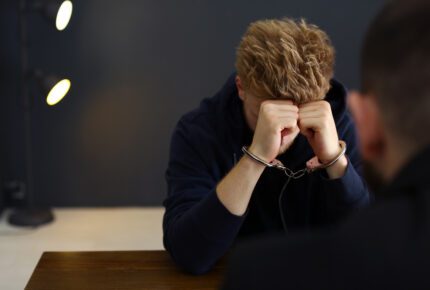
Being arrested on suspicion of downloading indecent images can feel overwhelming. Your home may have been searched, your devices seized, and you may be unsure what happens next. One of the most pressing concerns is whether you will be kept in custody or allowed home. This article will explain what the offence involves, what usually happens after arrest, how bail decisions are made, and what practical steps you can take to improve your position. The aim is to give you clear, realistic guidance so that you understand where you stand and how to protect yourself going forward.
What is downloading indecent images?
Downloading indecent images usually refers to offences involving indecent photographs or pseudo‑photographs of children under the Protection of Children Act 1978 and the Criminal Justice Act 1988. In most cases, allegations concern making (which includes downloading), possessing, or distributing such images.
In legal terms, a person can be charged with “making” an indecent image simply by downloading it onto a device, even if they did not originally create it. The law does not require that you actually shared the material with anyone else to commit an offence. Possession alone can be enough.
The seriousness of the allegation will depend on several factors, including the category of images (which range from non‑penetrative sexual activity to the most serious forms of abuse), the number of files involved, whether there is evidence of distribution, and whether any direct contact with a child is alleged. These points are relevant not only to any future sentence, but also to decisions about bail.
What happens after an arrest for downloading indecent images?
After arrest, you will normally be taken to a police station for questioning. In many cases, officers will also have executed a search warrant at your address and seized computers, phones, tablets, and storage devices for forensic examination.
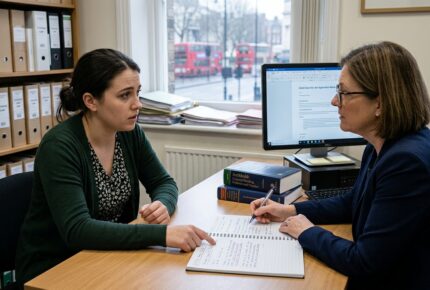
You have the right to free and independent legal advice at the police station. This is important. The interview will usually focus on how the images came to be on your device, whether you were aware of them, and whether you communicated with anyone about them.
Following the interview, the police must decide whether to release you on bail, release you under investigation, or keep you in custody to appear before the Magistrates’ Court. In these cases, it is common for digital analysis to take many months. That means initial decisions about release often happen before the full picture is known.
What is the difference between bail and being released under investigation?
If you are released on police bail, you are allowed to leave the police station subject to conditions and must return on a specific date. Bail conditions may restrict where you live, who you contact, or how you use the internet.
Being released under investigation means you are released without formal bail conditions and without a fixed return date. The investigation continues, and you may be contacted again if further action is taken.
For allegations involving downloading indecent images, police bail is more common than release under investigation where there are concerns about access to children or continued internet use. The decision will depend on the perceived level of risk and the stage of the investigation.
Can I get bail for downloading indecent images?
In many cases, yes. There is a general presumption in favour of bail under the Bail Act 1976. This means that a suspect should not be kept in custody unless there are specific legal grounds to justify it.
However, bail is never automatic. The police or the court will consider whether there are substantial grounds to believe you might fail to attend court, commit further offences, or interfere with witnesses or obstruct the course of justice.
For downloading indecent images, the main concern is usually the risk of further offences, particularly continued access to illegal material or unsupervised contact with children. If the allegation involves only possession of images and there is no suggestion of contact offending, bail is frequently granted with strict conditions. Where there is evidence of communication with children or attempts to meet them, custody is more likely.
If the police refuse bail and charge you, you must be brought before the Magistrates’ Court promptly. The court will then reconsider whether you should be granted bail pending trial.
What bail conditions might I face for downloading indecent images?
Bail conditions are designed to manage identified risks. They must be necessary and proportionate, but they can be restrictive.
In cases involving downloading indecent images, common conditions include restrictions on internet access, for example limiting use to a single device subject to inspection, or prohibiting the deletion of browsing history. You may be barred from using encrypted messaging apps or file‑sharing platforms.
It is also common to see conditions preventing unsupervised contact with anyone under 18, particularly if you do not live with children. If you do live with children, social services may become involved, and bail conditions may reflect safeguarding arrangements put in place.
Other possible conditions include residing at a particular address, surrendering your passport, and not deleting or altering digital material. Each case turns on its own facts, and your solicitor can argue for conditions that allow you to continue working and maintaining family life where this can be done safely.
What factors do police and courts consider when deciding bail for downloading indecent images?
When deciding bail, the police and the courts focus on risk. They will look at the available evidence and your personal circumstances in assessing that risk.
Key considerations often include:
- The nature and category of the images allegedly found
- The volume of material and whether it appears organised or deliberately stored
- Any evidence of communication with children or attempts to arrange meetings
- Your previous convictions, particularly for sexual or internet‑related offences
- Your ties to a fixed address, employment, and family
- Whether appropriate safeguards can be put in place through conditions
In cases limited to possession without contact elements, especially where the individual has no previous convictions and a stable home life, bail is often considered manageable with conditions. If the allegation suggests an ongoing pattern of behaviour or escalation, the argument for custody becomes stronger.
The court will also consider whether keeping you in custody is a proportionate response. Pre‑trial detention is not meant to be punitive. It is only justified where risks cannot be controlled in any other way.
What can I do to improve my chances of being granted bail?
Although the final decision is not yours, there are practical steps that can strengthen your position. The aim is to show that any perceived risk can be addressed without keeping you in custody.
You and your solicitor may wish to:
- Provide clear evidence of a stable address where you can reside
- Demonstrate ongoing employment or other structured daily commitments
- Offer to accept reasonable restrictions on internet use
- Clarify that there has been no contact with children, if that is the case
- Put forward a suitable person who can support or supervise you if required
It is also important to comply fully with police procedures and to avoid discussing the case with potential witnesses. Any suggestion that you are attempting to interfere with evidence can seriously undermine a bail application.
How can a solicitor help me secure bail for downloading indecent images?
An experienced criminal defence solicitor plays a central role in bail decisions. At the police station, they can make representations as to why detention is unnecessary and propose workable conditions that address the police’s concerns.
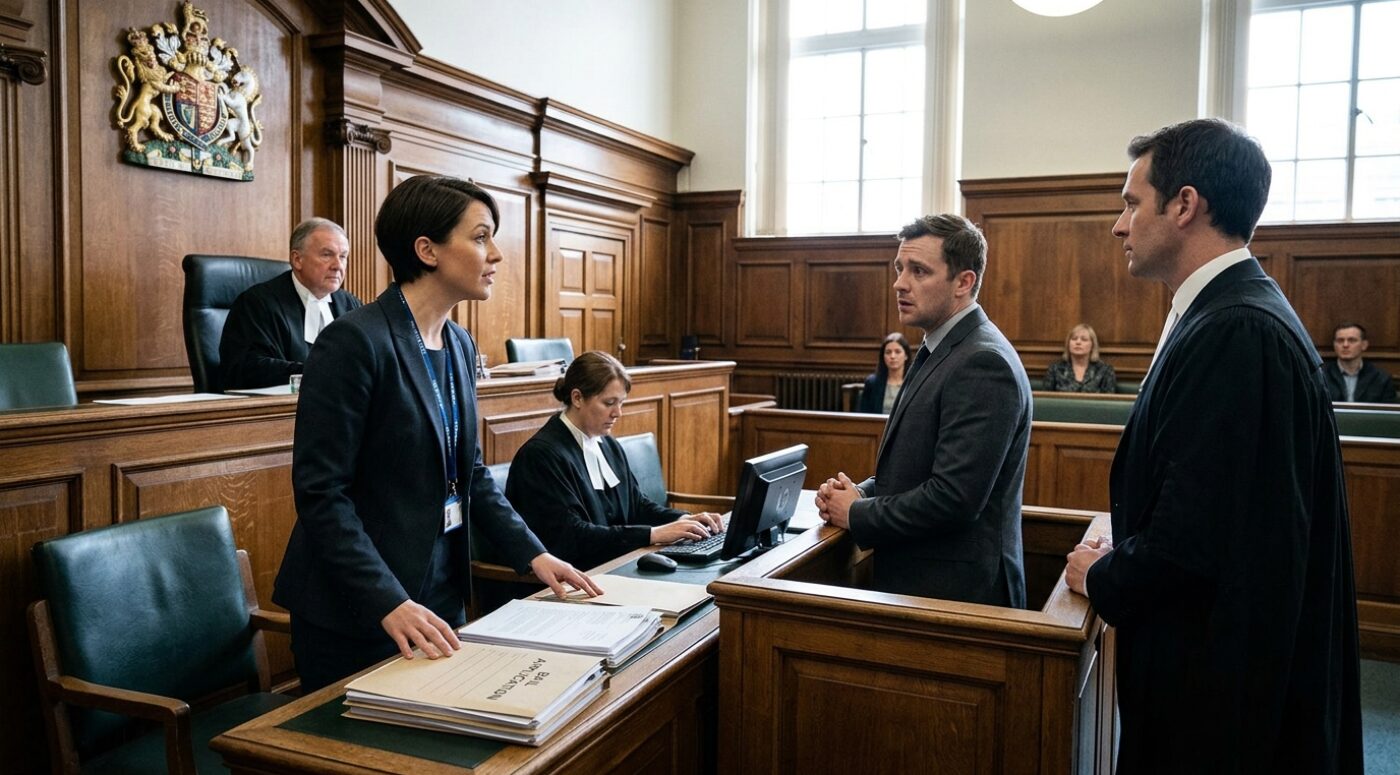
If your case reaches the Magistrates’ Court or Crown Court, your solicitor can present a structured bail application supported by evidence of your personal circumstances. This may include details about your living arrangements, employment, medical issues, or family responsibilities.
Your solicitor will also ensure that proposed conditions are realistic. Overly restrictive conditions can set you up to fail. Thoughtful negotiation at an early stage can result in a more balanced arrangement that protects your rights while acknowledging safeguarding concerns.
Importantly, legal advice helps you avoid missteps. Decisions made in the first 24 to 48 hours can influence the direction of the entire case.
Where to get more help
An allegation of downloading indecent images is treated seriously by the police and the courts, and early decisions about bail can have significant consequences for your work, family life, and wellbeing. Timely legal advice allows you to understand your options and take practical steps that protect your position. Every case turns on its own facts, and a careful, discreet approach is essential from the outset. If you or a family member are facing investigation, you can book a free, no obligation consultation with Stuart Miller Solicitors to discuss your situation in confidence. Contact us today to find out how we can help.
OUR COMMITMENTS TO YOU:
-
Responsive
A legal expert will consult you within 24 hours of making an enquiry.
-
Empathetic
We will always treat you with trust, understanding and respect.
-
Specialised
Your case will be handled by an expert who specialises in your type of offence.
-
Proactive
We will take early action to end proceedings as soon as it is practically and legally possible to do so.
-
Engaged
You will be kept updated on your case at all times. We will provide a named contact available to answer your questions.
-
Caring
We understand this is a difficult and stressful time for you and your family. Our team will support you every step of the way.
-
Tenacious
We will never give up on your case. We fight tirelessly to get you the best possible outcome.
Google Rating
Based on 506 reviews
×