
-

Top 1% of Defence Law Firms
-

Defended over 50,000 Cases
-

5 star google reviews
-

40 Years of Criminal Law Expertise
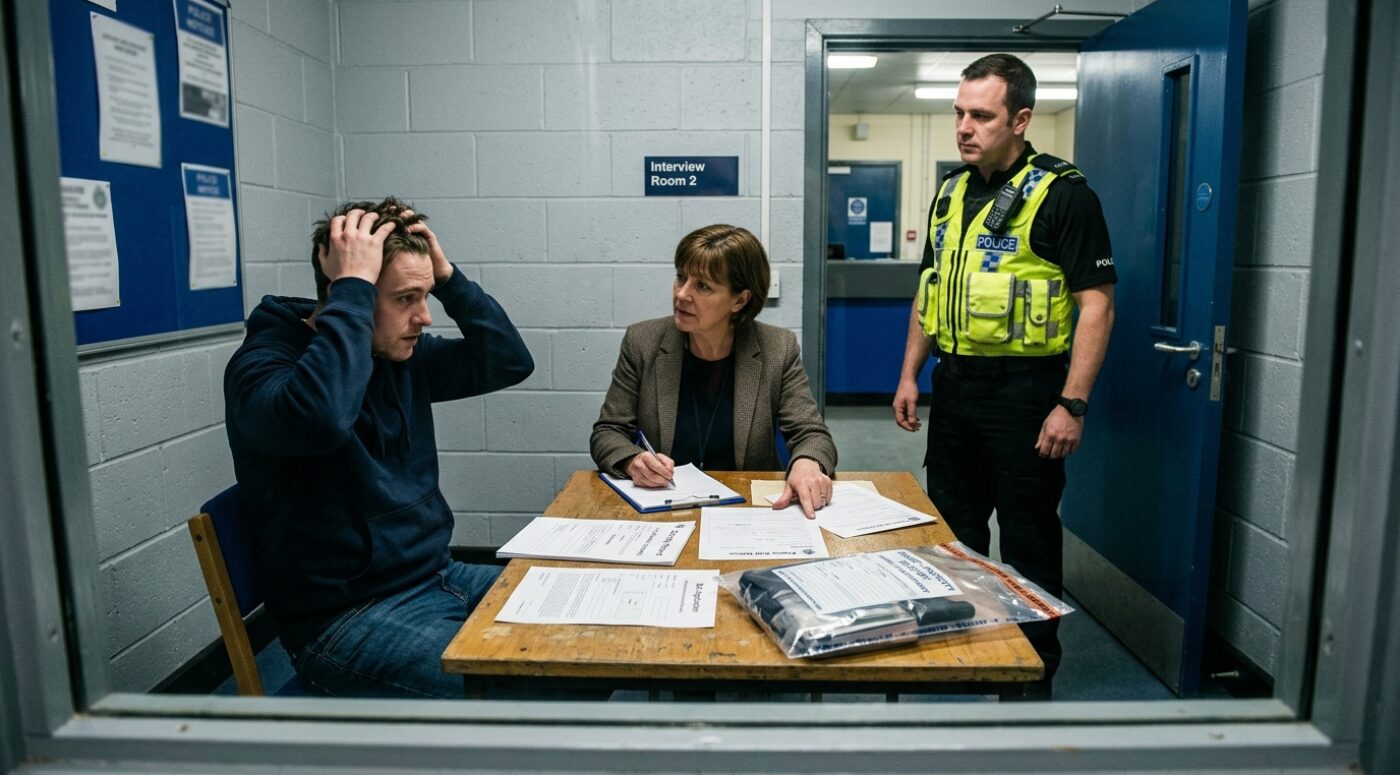
Getting arrested for cultivation of cannabis is a scary experience and it can leave you feeling unsettled and unsure about what will happen. You may be worried about whether you will be kept in custody, how long the investigation will take, and what it means for your family and livelihood. Bail is often one of the first concerns. This article will explain what cultivation of cannabis involves under English law, what happens after arrest, how bail decisions are made, and what you can do to improve your chances of being released while your case is ongoing.
What is cultivation of cannabis?
Cultivation of cannabis is an offence under the Misuse of Drugs Act 1971. It covers growing or producing cannabis plants, whether in a single flowerpot at home or as part of a larger and more organised operation. The law does not require proof that you intended to sell the drug. Simply being involved in the growing process can be enough.
The seriousness of the allegation depends heavily on the scale and circumstances. A small number of plants for personal use is treated very differently from a sophisticated setup involving lighting systems, irrigation, and evidence of supply. Police will look not only at the number of plants, but also at signs of commercial production such as packaging materials, cash, or communications suggesting distribution.
In more serious cases, cultivation may be linked to organised crime groups or human trafficking concerns. That said, many individuals accused of this offence have no previous convictions and claim they were pressured, exploited, or unaware of the full extent of what was happening at a property. The specific facts of your case will shape how it is viewed.
What happens after an arrest for cultivation of cannabis?
If you are arrested on suspicion of cultivating cannabis, you will usually be taken to a police station for questioning. The police may search your home or other premises, seize equipment, and examine mobile phones or computers. You are entitled to free legal advice while at the police station, and it is strongly advisable to have a solicitor present during the interview.
After the interview, the police have several options. They may release you without charge, release you under investigation, grant police bail, or charge you and keep you in custody to appear before the Magistrates’ Court. The decision will depend on the available evidence and whether further enquiries are needed.
If you are charged and not granted bail by the police, you must be brought before the Magistrates’ Court as soon as practicable. At that stage, the court will decide whether you should be released on bail or remanded in custody while the case continues.
What is the difference between bail and being released under investigation?
Bail means you are released from custody subject to a legal obligation to return to the police station or attend court at a specified time. Bail can be granted by the police before charge, or by the court after charge. It often comes with conditions designed to manage perceived risks.
Being released under investigation, often referred to as RUI, is different. You are allowed to leave custody, but without a set date to return. There are usually no conditions attached. The investigation continues, and you may be contacted later if the police decide to take further action.
For someone accused of cultivation of cannabis, police may opt for bail rather than RUI if they believe there is a risk of further offending or interference with evidence. Conditions can provide a way of managing those risks while allowing you to remain in the community.
Can I get bail for cultivation of cannabis?
Many people accused of cultivation of cannabis do receive bail, particularly where they have stable addresses, limited previous convictions, and no history of failing to attend court. Bail is not automatic, however. The police or the court must be satisfied that releasing you does not create unacceptable risks.
If the allegation involves a large-scale operation, links to organised crime, or evidence suggesting an ongoing enterprise, the prosecution may argue that you should be remanded in custody. The court will examine whether those concerns can be addressed by conditions rather than detention.
Ultimately, the decision is discretionary and based on the details of your case. Factors such as your personal background, the strength of the evidence, and the potential sentence if convicted may all influence whether bail is granted.
What bail conditions might I face for cultivation of cannabis?
If bail is granted, conditions are often imposed to reduce the risk of further offences or interference with witnesses. The nature of those conditions will reflect the allegation.
Common examples in cultivation cases include:
- Residence at a specified address, sometimes with a requirement not to change address without permission
- A curfew monitored by electronic tag
- A restriction on entering certain premises, particularly the address linked to the alleged grow
- No contact with named co-defendants or witnesses
- Limitations on possessing multiple mobile phones or using encrypted messaging apps
In some cases, financial conditions such as a security (a sum of money promised to the court) may be required. Conditions must be proportionate. If they are too restrictive or no longer necessary, your solicitor can apply to vary them.
What factors do police and courts consider when deciding bail for cultivation of cannabis?
The starting point in English law is a general right to bail, but this can be displaced if there are substantial grounds for believing certain risks exist. In cultivation cases, decision-makers commonly focus on three main concerns: failing to attend court, committing further offences, or interfering with witnesses or the investigation.
The scale of the alleged operation matters. A small, one-off grow in a spare room is viewed differently from a property converted entirely for cannabis production. Evidence of planning, financial gain, or association with others may increase perceived risk.
Your personal circumstances are equally important. The court will look at your criminal record, previous compliance with bail, employment status, family ties, and length of residence at your address. A history of ignoring court dates will count against you, whereas a stable and verifiable home life can assist.
If there are indicators that you were exploited or coerced, that may also form part of the picture. Each case turns on its own facts, and broad assumptions are avoided in favour of specific evidence.
What can I do to improve my chances of being granted bail?
Although the ultimate decision does not rest with you, there are practical steps that can strengthen a bail application. Preparation and credible information are key.
You may wish to consider:
- Providing proof of a fixed and suitable address
- Offering a reliable surety, such as a family member willing to guarantee a sum of money
- Supplying evidence of employment or education commitments
- Addressing any past failures to attend court with a clear explanation
- Demonstrating willingness to comply with reasonable conditions, such as a curfew
Showing that you understand the seriousness of the situation and are prepared to follow rules can make a meaningful difference. Your solicitor can help present this information in a structured and persuasive way.
How can a solicitor help me secure bail for cultivation of cannabis?
A solicitor’s role is not simply to ask for bail, but to anticipate and respond to the prosecution’s concerns. This involves reviewing the evidence, identifying weaknesses in the allegations, and highlighting factors that reduce the perceived risks.
In the police station, early representations can influence whether you are charged or released on bail. If you appear before the Magistrates’ Court, your solicitor can make detailed submissions addressing each statutory ground for refusing bail and propose tailored conditions as an alternative to custody.
If bail is refused, there may be a right to apply again in the Magistrates’ Court or to the Crown Court. An experienced defence team will advise you on the timing and prospects of any further application, ensuring you are not navigating the process alone.
Where to get more help
An allegation of cultivation of cannabis should be treated seriously from the outset. Decisions about bail can affect your work, housing, and family life while the case proceeds. Obtaining early advice allows you to understand your position and present the strongest possible case for release. Experienced criminal defence solicitors can guide you through police interviews, court hearings, and any conditions imposed, with careful attention to detail and discretion. For clear, practical advice tailored to your circumstances, contact the friendly team at Stuart Miller Solicitors to book a no obligation consultation.
OUR COMMITMENTS TO YOU:
-
Responsive
A legal expert will consult you within 24 hours of making an enquiry.
-
Empathetic
We will always treat you with trust, understanding and respect.
-
Specialised
Your case will be handled by an expert who specialises in your type of offence.
-
Proactive
We will take early action to end proceedings as soon as it is practically and legally possible to do so.
-
Engaged
You will be kept updated on your case at all times. We will provide a named contact available to answer your questions.
-
Caring
We understand this is a difficult and stressful time for you and your family. Our team will support you every step of the way.
-
Tenacious
We will never give up on your case. We fight tirelessly to get you the best possible outcome.
Google Rating
Based on 506 reviews
×