-

Top 1% of Defence Law Firms
-

Defended over 50,000 Cases
-

5 star google reviews
-

40 Years of Criminal Law Expertise

Being arrested or charged with digital piracy copyright offences can be unsettling, particularly if you have never been involved with the criminal justice system before. You may be worried about your job, your reputation, and whether you will be kept in custody. This article will explain what digital piracy copyright means, what happens after arrest, how bail decisions are made, and what practical steps you can take to improve your prospects of being released. While every case depends on its own facts, understanding the process can help you feel more prepared and in control.
What is digital piracy copyright?
Digital piracy copyright generally refers to the unauthorised copying, sharing, downloading, or distribution of copyrighted material using digital technology. This can include films, music, software, games, books, live broadcasts, or subscription content. In England and Wales, the main law governing this area is the Copyright, Designs and Patents Act 1988.
Not every instance of downloading content illegally results in a criminal prosecution. Criminal cases usually involve deliberate and commercial activity. For example, running a website that streams pirated films, operating a subscription service offering illegal access to sports channels, distributing cracked software, or selling devices pre-loaded with infringing content. In more serious investigations, allegations may include conspiracy to defraud or money laundering if significant profits are said to be involved.
The prosecution must show that the infringement was deliberate and carried out in the course of business, or that it caused substantial loss to the copyright owner. The more organised and financially motivated the activity is alleged to be, the more seriously it will be treated.
The prosecution must prove that the defendant copied, distributed, or communicated a copyright-protected work without the rights holder’s authorisation, that they knew or had reason to believe the work was protected, and – where a criminal rather than civil standard is sought – that the conduct was carried out in the course of a business or to such an extent as to affect the rights holder prejudicially.
What happens after an arrest for digital piracy copyright?
If you are arrested, you will be taken to a police station and booked in. Digital piracy investigations often follow a warrant allowing officers to search your home or business premises. Computers, mobile phones, hard drives, and financial records are frequently seized for forensic examination.
You will be interviewed under caution. The interview is a key stage of the investigation. It is your solicitor’s role to advise you beforehand and represent your interests during questioning. In many cases, particularly those involving digital evidence, the police investigation continues long after the initial interview.
After that interview, the police must decide whether to release you, keep you in custody to appear before the next available court, or charge you and grant bail. In complex copyright cases, it is common for digital analysis to take many months, meaning immediate charging does not always follow arrest.
What is the difference between bail and being released under investigation?
If you are released on bail, you remain under investigation but subject to formal conditions and a requirement to return to the police station or attend court at a set date. Breaching bail conditions can result in arrest and reconsideration of your release.
Being released under investigation (RUI) means you are free to leave the police station without conditions and without a specific return date. The investigation continues, and you may be contacted later if the police decide to take further action.
In digital piracy copyright cases, where devices require lengthy forensic examination, RUI is sometimes used. However, where the police believe there is a risk of further offending or interference with evidence, they may prefer bail with conditions restricting internet access or business activity.
Can I get bail for digital piracy copyright?
There is a general presumption in favour of bail in England and Wales. This means that, unless certain risks are identified, you should be released while the case progresses. However, bail is never automatic. The decision is based on risk, not simply the type of offence.
Digital piracy copyright offences are typically non-violent and do not usually involve immediate physical risk to the public. That can weigh in favour of bail. However, where the allegation involves significant financial loss, organised networks, or substantial profit, the authorities may argue that the case is serious and that there is an incentive to abscond.
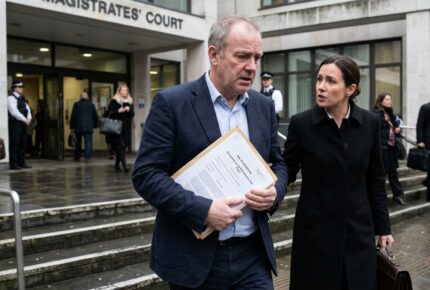
If you are charged and appear before a Magistrates’ Court, the court will reconsider bail. The prosecution may raise concerns about further offences, interference with witnesses, or tampering with digital evidence. The court will weigh those concerns against your right to liberty.
In many cases involving alleged online copyright infringement, bail is granted with conditions designed to manage perceived risks. Remand in custody is more likely if there is evidence of repeated breach of previous court orders, failure to attend court in the past, or deliberate efforts to conceal assets or obstruct investigators.
What bail conditions might I face for digital piracy copyright?
Bail conditions are tailored to the risks identified in your specific case. In digital piracy copyright matters, conditions often focus on limiting access to the tools allegedly used to commit the offence and preserving evidence.
Depending on the allegations, conditions could include:
- Restrictions on using the internet except for approved purposes such as employment
- Prohibition on accessing or managing specific websites or online platforms
- Not contacting co-defendants or named associates
- Restrictions on engaging in certain business activities
- Requirements to live at a specified address
- Surrendering your passport
Conditions must be reasonable and proportionate. If they are overly restrictive or interfere unnecessarily with your employment, your solicitor can apply to vary them.
What factors do police and courts consider when deciding bail for digital piracy copyright?
The authorities focus on risk. They are not deciding whether you are guilty at this stage. Instead, they consider whether releasing you presents unacceptable dangers to the justice process or the public.
Key considerations include the seriousness of the alleged infringement and the scale of financial harm. A large-scale operation generating substantial income is likely to be viewed differently from a minor, isolated incident.
They will also consider whether there is a risk you may continue similar activity if given unrestricted access to digital platforms. If servers have been seized and accounts frozen, that risk may be reduced.
Your personal background is important. Stable accommodation, steady employment, family responsibilities, and no previous convictions all support an argument for bail. Any history of failing to attend court or breaching previous conditions will weigh against you.
If there are allegations involving multiple suspects, the court may examine whether contact between parties could undermine the investigation. In financially motivated cases, the potential sentence on conviction may also be relevant when assessing the risk of absconding.
What can I do to improve my chances of being granted bail?
Although the decision ultimately rests with the police or the court, you are not without influence. Practical preparation can make a measurable difference.
Demonstrating stability and cooperation is key. Clear evidence of a fixed address, lawful employment, and a willingness to comply with reasonable restrictions can reduce concerns.
- Provide proof of your address and, if possible, a letter confirming you can reside there
- Show evidence of employment or self-employment
- Offer to surrender your passport if travel is a concern
- Be prepared to agree to sensible internet restrictions
- Ensure you attend court promptly and on time
- Follow any existing conditions carefully
Remember not to discuss the allegations with others online or attempt to access accounts connected to the investigation. Even well-intentioned actions can be misinterpreted and used to argue that you present a continuing risk.
How can a solicitor help me secure bail for digital piracy copyright?
An experienced criminal defence solicitor plays a central role in securing bail. From the outset, your solicitor can make representations to the custody officer, addressing perceived risks and proposing workable conditions as an alternative to detention.
If your case reaches court, your solicitor can present detailed submissions to the magistrates. This may involve challenging claims about financial gain, clarifying your actual level of involvement, or explaining the technical context of the allegations. In complex digital cases, misunderstandings about how platforms operate can influence risk assessments. Clear explanation matters.
Your solicitor can also seek variations of bail conditions that are unnecessarily restrictive, particularly where they prevent you from earning a living. Effective representation ensures the focus remains on evidence and risk, not assumption.
Where to get more help
Allegations of digital piracy copyright offences can quickly become complex, especially where financial records and digital devices are involved. Getting legal advice as early as possible can help you understand your position and avoid steps that may harm your case. Having a defence team that understands both criminal procedure and the technical aspects of online investigations makes a practical difference. If you are facing investigation or have been refused bail, discreet and experienced representation is essential. Contact the team at Stuart Miller Solicitors today to book a no obligation consultation and discuss how we can support you.
OUR COMMITMENTS TO YOU:
-
Responsive
A legal expert will consult you within 24 hours of making an enquiry.
-
Empathetic
We will always treat you with trust, understanding and respect.
-
Specialised
Your case will be handled by an expert who specialises in your type of offence.
-
Proactive
We will take early action to end proceedings as soon as it is practically and legally possible to do so.
-
Engaged
You will be kept updated on your case at all times. We will provide a named contact available to answer your questions.
-
Caring
We understand this is a difficult and stressful time for you and your family. Our team will support you every step of the way.
-
Tenacious
We will never give up on your case. We fight tirelessly to get you the best possible outcome.
Google Rating
Based on 521 reviews
×