
-

Top 1% of Defence Law Firms
-

Defended over 50,000 Cases
-

5 star google reviews
-

40 Years of Criminal Law Expertise
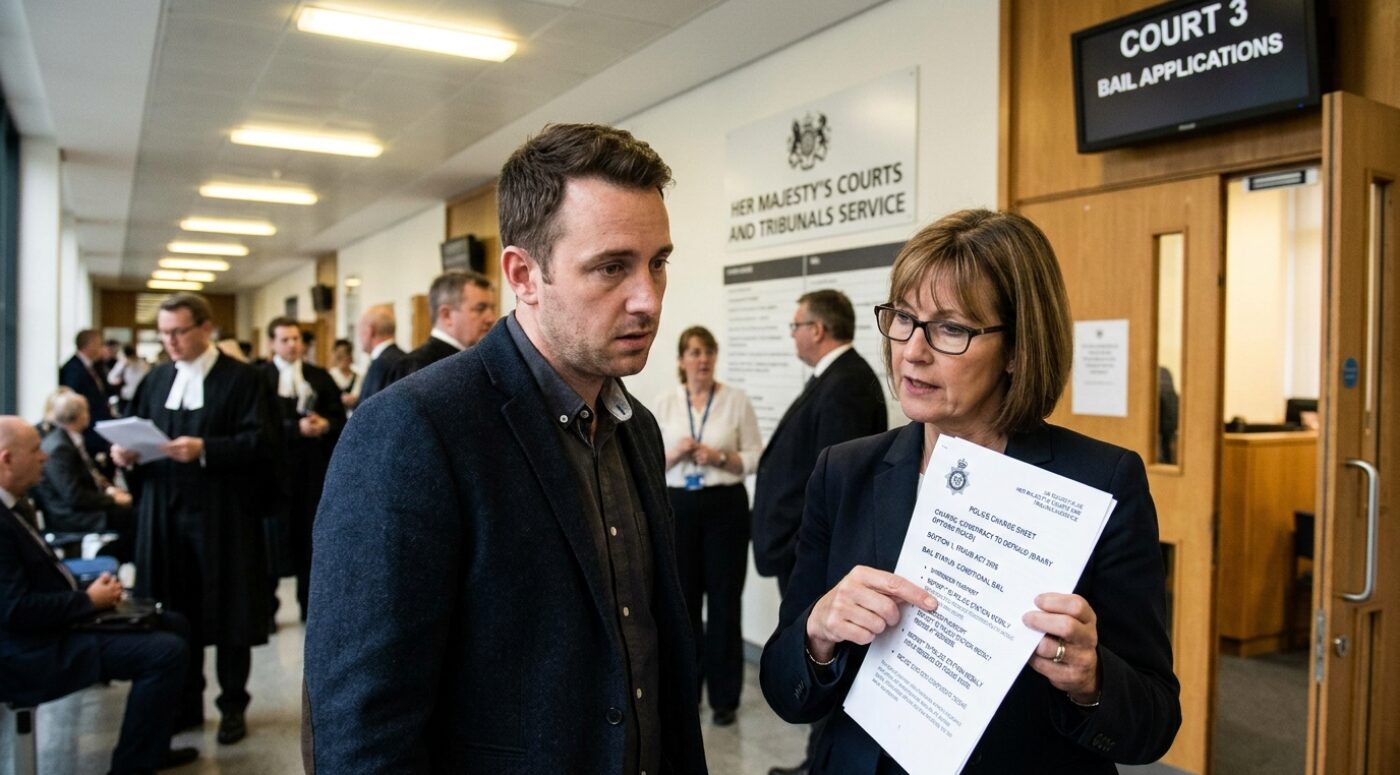
Binary option fraud involves the promotion or sale of financial products that are marketed as low-risk, high-return investments but are often worthless, misleading, or manipulated to ensure losses for investors. These schemes are frequently conducted online or over the phone and may involve high-pressure sales tactics, false guarantees of profit, or the misrepresentation of trading platforms. Allegations of binary options fraud can be serious, particularly where large sums of money or numerous victims are involved. Individuals under investigation may face questions about arrest, bail, and restrictions on financial activity while the case proceeds. This article explains how binary options fraud is prosecuted, what the authorities consider when assessing bail, and steps you can take to protect your position during an investigation.
What is binary option fraud?
Binary option fraud is a financial crime involving the dishonest promotion, operation, or facilitation of binary options trading schemes. Binary options are, in simple terms, bets on whether an asset’s price will rise or fall within a short period. In the UK, most retail binary options trading has been banned or heavily restricted by the Financial Conduct Authority (FCA) due to widespread consumer harm.
Allegations of binary option fraud typically fall under the Fraud Act 2006, most often by false representation, abuse of position, or conspiracy to defraud. Investigations regularly allege that investors were misled about risk, platform legitimacy, returns, or the use of their funds. Some cases involve overseas call centres, online marketing, complex payment routes, or multiple defendants with different roles.
To secure a conviction for binary option fraud under the Fraud Act 2006, the prosecution must prove beyond reasonable doubt that the defendant acted dishonestly with the intention of making a gain for themselves or causing a loss to others. This includes showing that false or misleading statements were made about the investment, trading platform, or potential returns, and that these misrepresentations were relied upon by victims. Evidence commonly includes promotional materials, website content, phone call or chat recordings, bank statements, transaction records, and witness testimony from investors. Expert evidence may also be introduced to demonstrate that trading outcomes were manipulated or that promised returns were impossible.
What happens after an arrest for binary option fraud?
Following an arrest, the police or a specialist agency such as the National Crime Agency may interview you under caution. The investigation is usually document-heavy, with officers examining bank records, emails, trading platforms, and communications with investors or co-defendants.
After interview, there are three broad possibilities:
- You may be charged and either kept in custody to appear before a court or released.
- You may be released on bail, with conditions.
- You may be released under investigation (RUI) while enquiries continue.
Binary option fraud investigations often take many months, and sometimes years, to conclude. Even where there is no charge, the period following arrest can involve restrictions on your finances, devices, or contact with others linked to the case. Understanding your status – bail or RUI – matters because it affects what the authorities can require of you and how your liberty is protected.
What is the difference between bail and being released under investigation?
Being released on bail means you are allowed to live in the community while the investigation continues, subject to conditions and a bail end date. The police must review bail regularly and justify its continuation.
Release under investigation means there are no bail conditions attached, but there is also no fixed timetable. You remain under suspicion and can be re-arrested or charged at any point while enquiries continue.
In financial crime cases like binary option fraud, RUI is common, but it is not always preferable. While bail can feel restrictive, it provides structure, oversight, and often clearer safeguards. A solicitor may advise seeking bail rather than RUI if conditions can be managed and certainty is important for work, family, or compliance.
Can I get bail for binary option fraud?
Bail is legally available for allegations of binary option fraud, but it is never automatic. The decision is discretionary and based on risk. Police and courts will ask whether bail can manage concerns such as flight, interference with witnesses, or further offending.
Because binary option fraud is non-violent but financially serious, decision-makers focus less on immediate public safety and more on whether money could be moved, evidence concealed, or investors contacted. Where there are international links or access to substantial funds, bail can be more difficult to secure without robust safeguards.
That said, many individuals accused of binary option fraud are granted bail, particularly where they have strong ties to the UK, a clear address, and no history of breaching bail. Early legal representation can make the difference between release on workable conditions and being kept in custody following charge.
What bail conditions might I face for binary option fraud?
Bail conditions in binary option fraud cases are tailored to financial risk and the integrity of the investigation. They are designed to restrict opportunity, not to punish.
Common conditions may include:
- Restrictions on operating or holding directorships in trading or investment businesses
- Limits on accessing certain bank accounts or using new financial products
- Prohibitions on contacting alleged victims, investors, or co-defendants
- Requirements to surrender passports or not apply for new travel documents
- Living at a specified address and reporting regularly to a police station
Conditions must be proportionate and necessary. If they are overly restrictive or unclear, a solicitor can challenge them or seek variation. Compliance is crucial; even a technical breach can result in arrest and a tougher stance later.
What factors do police and courts consider when deciding bail for binary option fraud?
Decision-makers assess risk rather than guilt. In binary option fraud cases, the following factors commonly carry weight:
- The scale and complexity of the alleged fraud, including the amounts involved
- Whether there are international elements, such as overseas companies or victims
- Your role in the alleged scheme and level of control over finances or staff
- Previous convictions or any history of non-compliance with court orders
- The strength of ties to the UK, including family, property, and employment
- Whether conditions can realistically prevent interference or further activity
No single factor is decisive. A well-prepared bail application addresses risks directly and explains how they can be managed in practice.
What can I do to improve my chances of being granted bail?
What you do in the early stages matters. Practical, sensible steps can strengthen a bail application without undermining your defence.
You should:
- Take early legal advice and follow it carefully
- Be transparent with your solicitor about travel history, finances, and business interests
- Provide accurate details of your address and personal circumstances
- Avoid contacting anyone connected to the investigation unless advised it is permitted
- Demonstrate willingness to comply with conditions, including financial restrictions
Avoid informal explanations to investigators outside interviews, and do not attempt to “fix” issues by moving money or contacting others. These actions are often misinterpreted and can seriously damage bail prospects.
How can a solicitor help me secure bail for binary option fraud?
A solicitor’s role is to present you as a manageable, compliant risk, not to argue the facts of the case at this stage. That requires experience with financial crime and an understanding of how investigators think.
Your solicitor can:
- Assess likely bail objections before they are raised
- Propose tailored conditions that address financial and contact risks
- Challenge unnecessary or disproportionate restrictions
- Prepare written representations grounded in your circumstances
- Advocate for bail at court if you are charged and detained
In complex fraud cases, bail is often decided on the quality of the plan put forward. A strategic, well-evidenced approach can significantly improve outcomes.
Finally, remember that one of the most powerful things a solicitor can do to you in bail proceedings is prove your low risk level. A good solicitor will help by gathering and presenting supporting evidence that demonstrates your stability and reliability, which can reassure the court or police that risks are manageable. By showing transparency and willingness to comply with sensible restrictions, your legal team can address concerns about absconding, reoffending, or interfering with evidence, making it more likely that bail will be granted on fair and workable terms.
Where to get more help
If you are under investigation or have been arrested for binary option fraud, get legal advice on side as soon as you can. Working with an experienced firm like Stuart Miller Solicitors means you get access to a reputable criminal defence solicitor who can advise on bail strategy, engage with investigators on your behalf, and work to protect your liberty while the case progresses. Contact us today for a free consultation.
OUR COMMITMENTS TO YOU:
-
Responsive
A legal expert will consult you within 24 hours of making an enquiry.
-
Empathetic
We will always treat you with trust, understanding and respect.
-
Specialised
Your case will be handled by an expert who specialises in your type of offence.
-
Proactive
We will take early action to end proceedings as soon as it is practically and legally possible to do so.
-
Engaged
You will be kept updated on your case at all times. We will provide a named contact available to answer your questions.
-
Caring
We understand this is a difficult and stressful time for you and your family. Our team will support you every step of the way.
-
Tenacious
We will never give up on your case. We fight tirelessly to get you the best possible outcome.
Google Rating
Based on 506 reviews
×